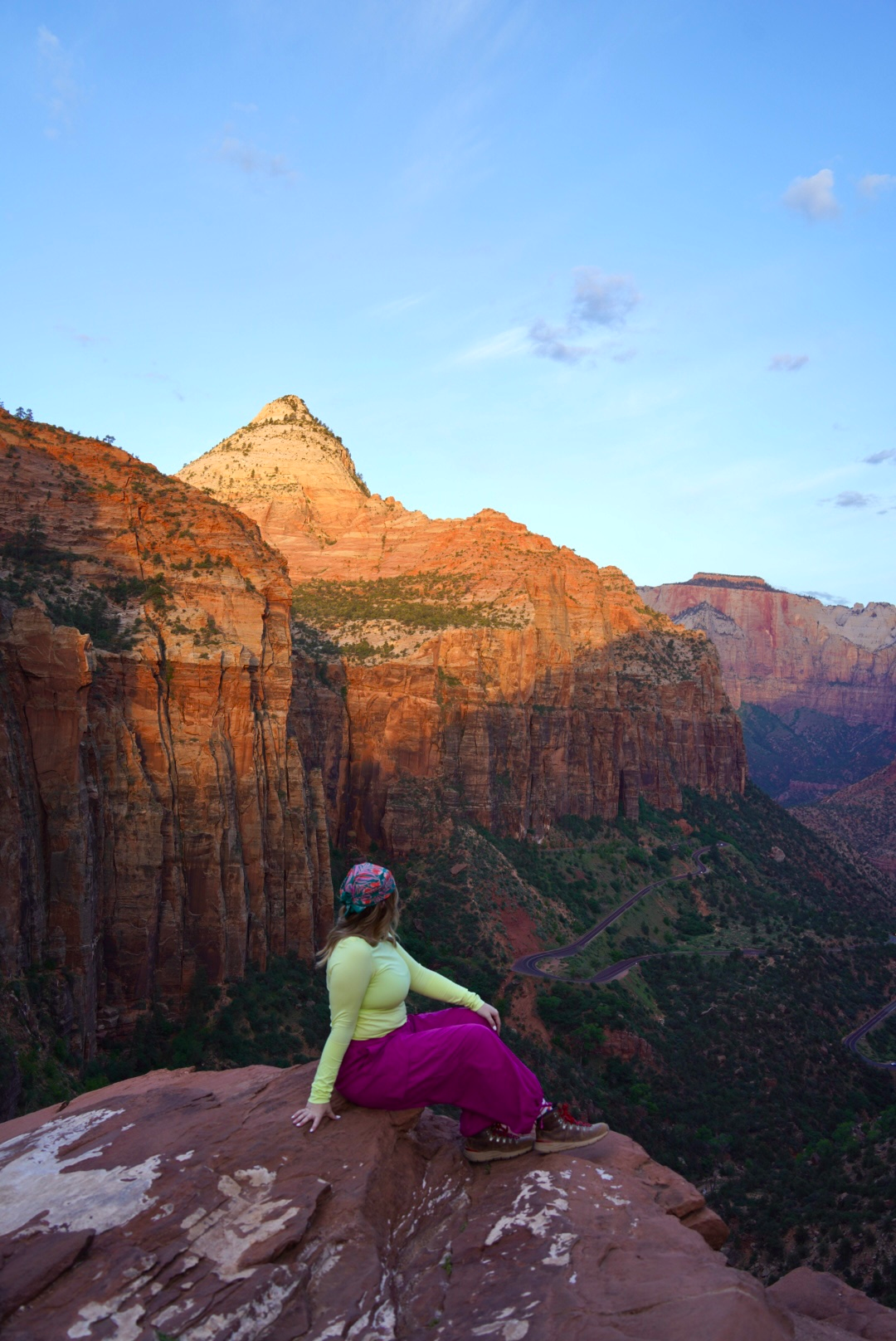
Sedona in Summer: What to Expect + How to Beat the Heat

Sedona in summer gets a bad rap. Yes, it’s hot. Yes, the midday sun will absolutely humble you. But I’ve visited during the summer months and honestly? It’s one of my favorite times to go — if you know how to work with the heat instead of against it.
The red rocks look incredible under that intense summer light, the crowds are thinner than spring, and there’s something kind of magical about having a trail mostly to yourself at 6am with the canyon glowing around you.
In this guide I’m breaking down exactly what to expect from Sedona in summer — the weather, the best things to do, what to skip, and how to plan your days so you’re not miserable by noon. Whether you’re already booked or still on the fence, here’s everything you need to know.
What’s the Weather Like in Sedona in Summer?
Is Sedona Too Hot to Visit in Summer?

Best Things To Do in Sedona in Summer
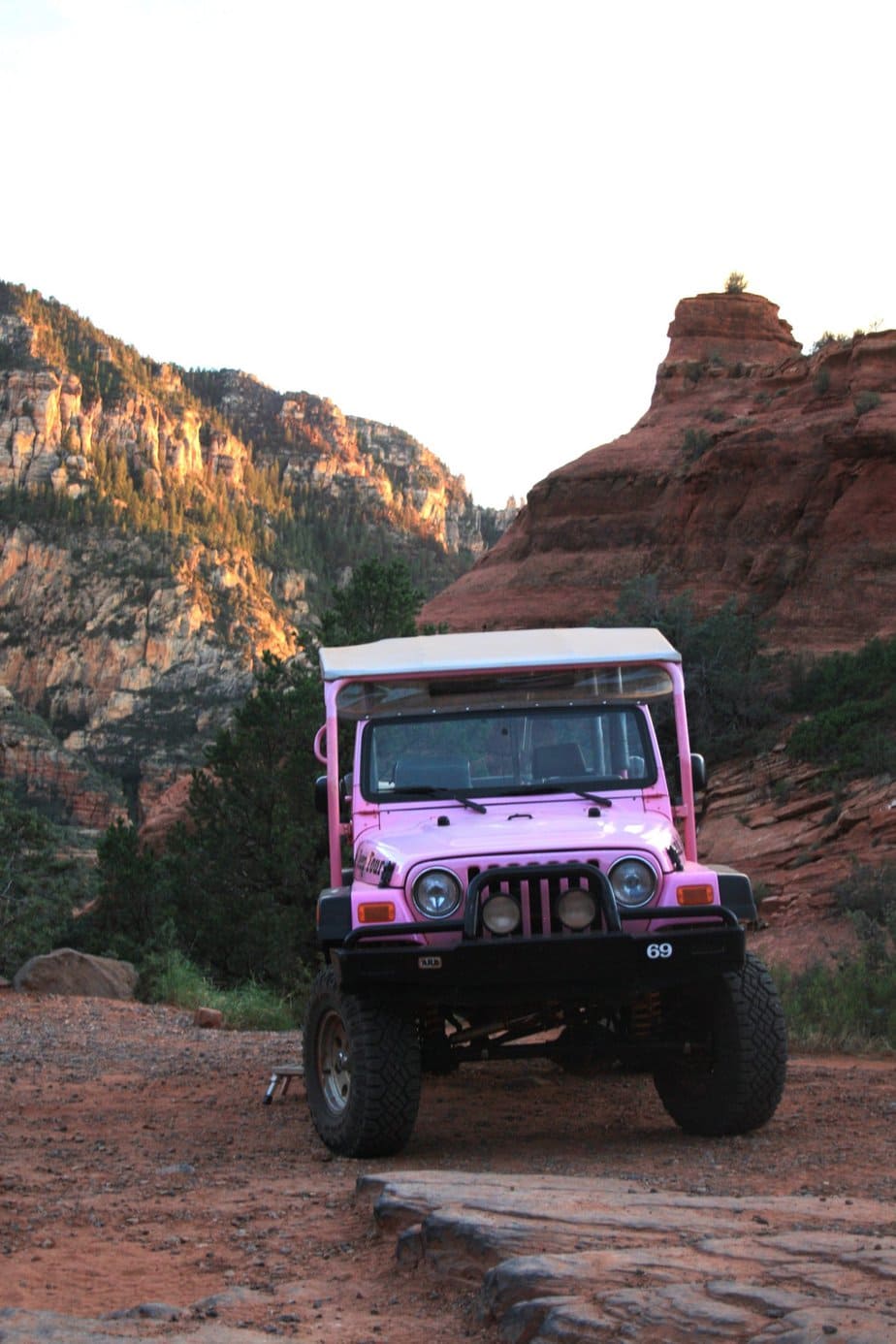
Take a Jeep Tour
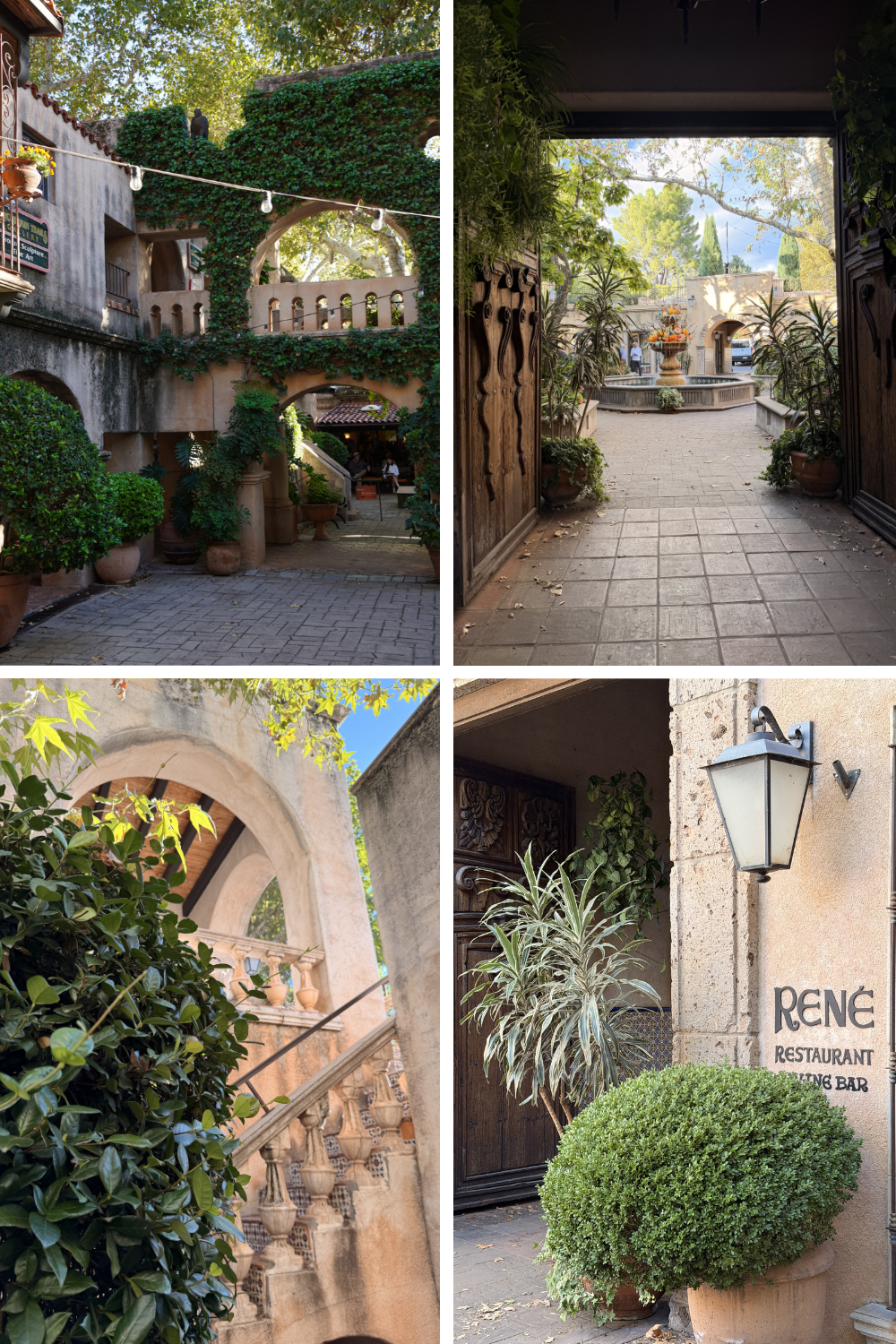
Explore Tlaquepaque Arts & Shopping Village
Take a Soak in Sedona’s Swimming Holes

Get on the Trails, Safely
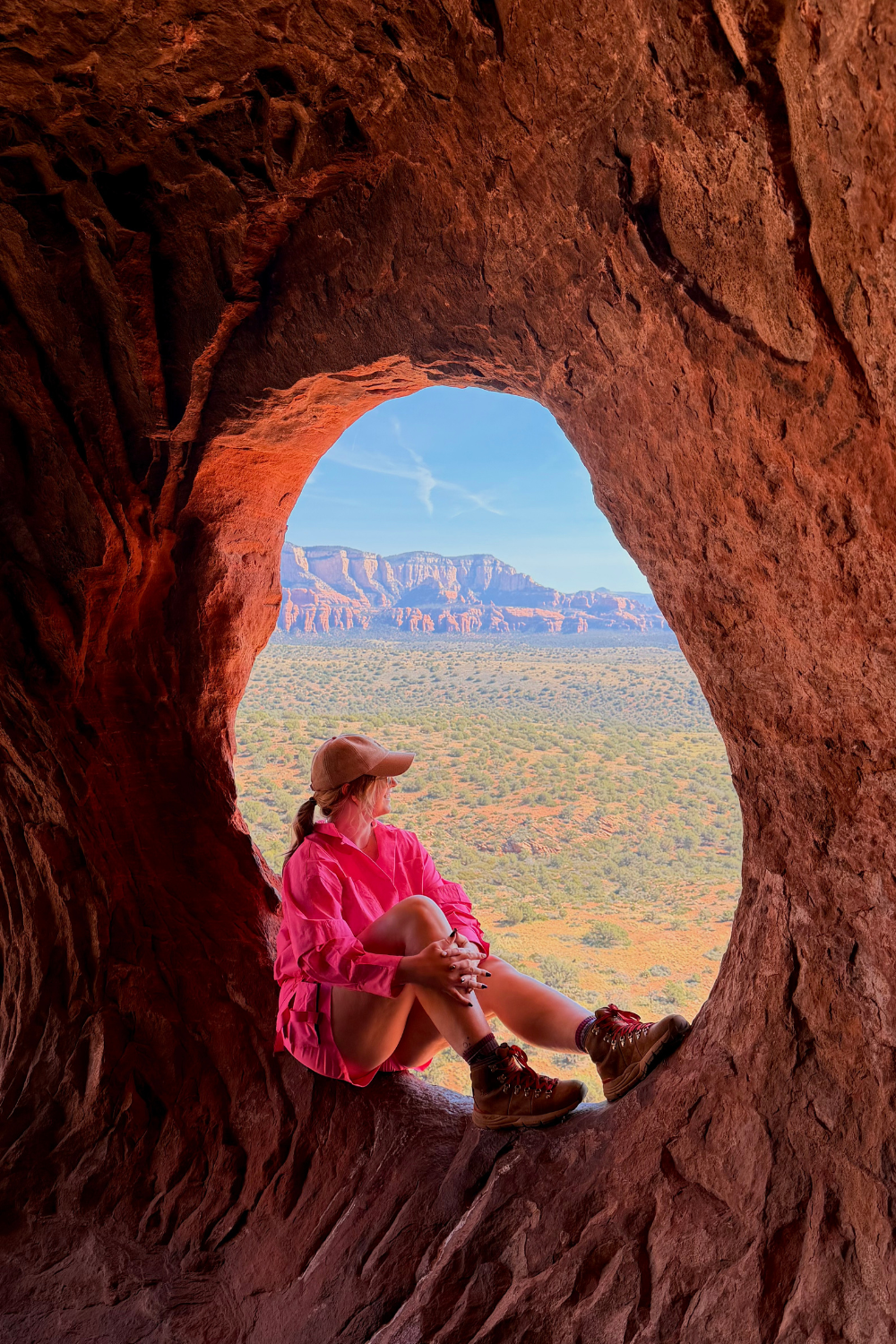
Best Hikes in Sedona in Summer
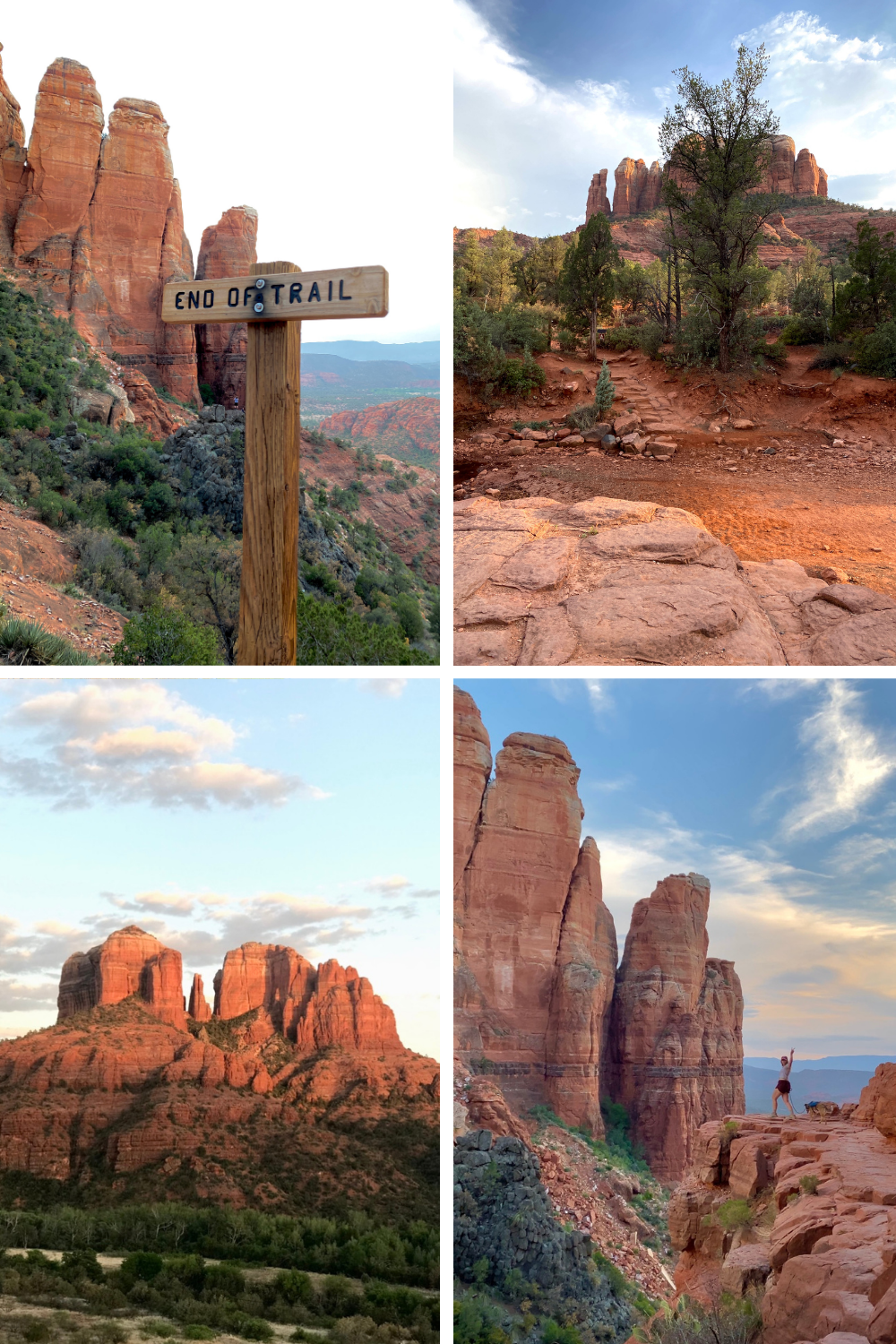
Cathedral Rock
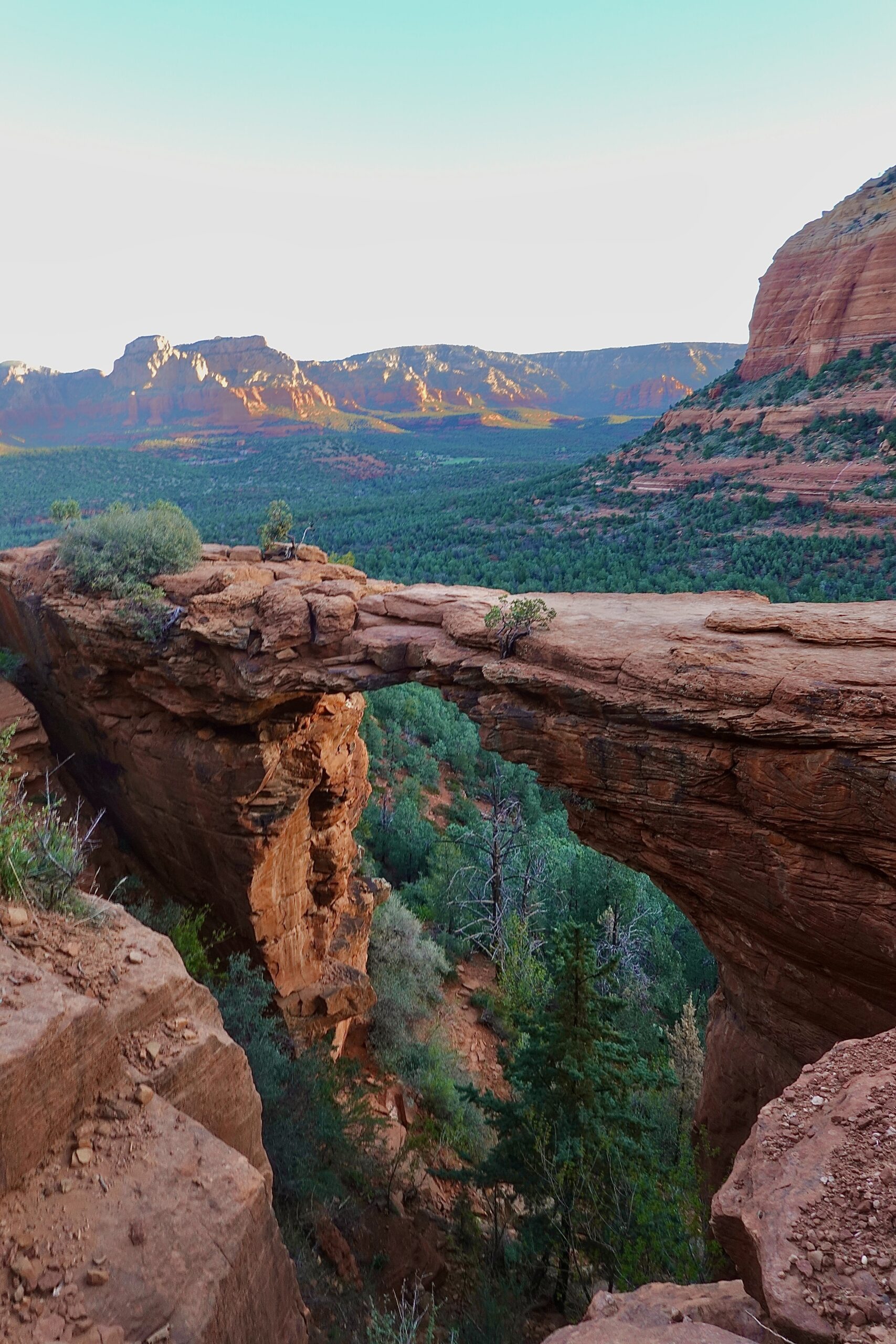
Devil’s Bridge
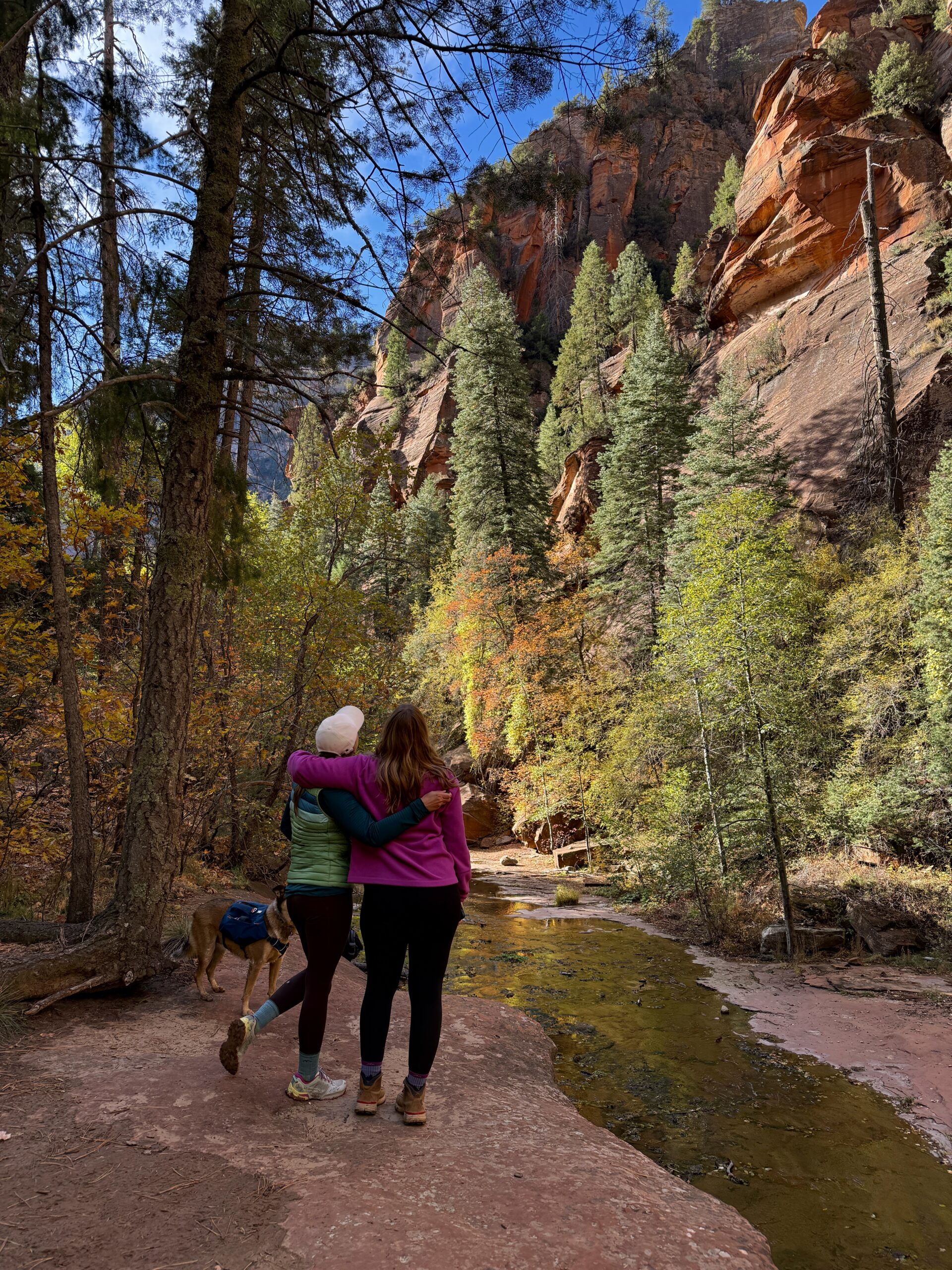
West Fork Trail
Where to Stay in Sedona in Summer
Sedona has accommodation options across a wide range of budgets, and where you stay makes a real difference to your summer experience. A few things to prioritize when booking: good food, access to a pool, and proximity to the main trailheads if you’re planning early morning hikes.
Arabella Sedona
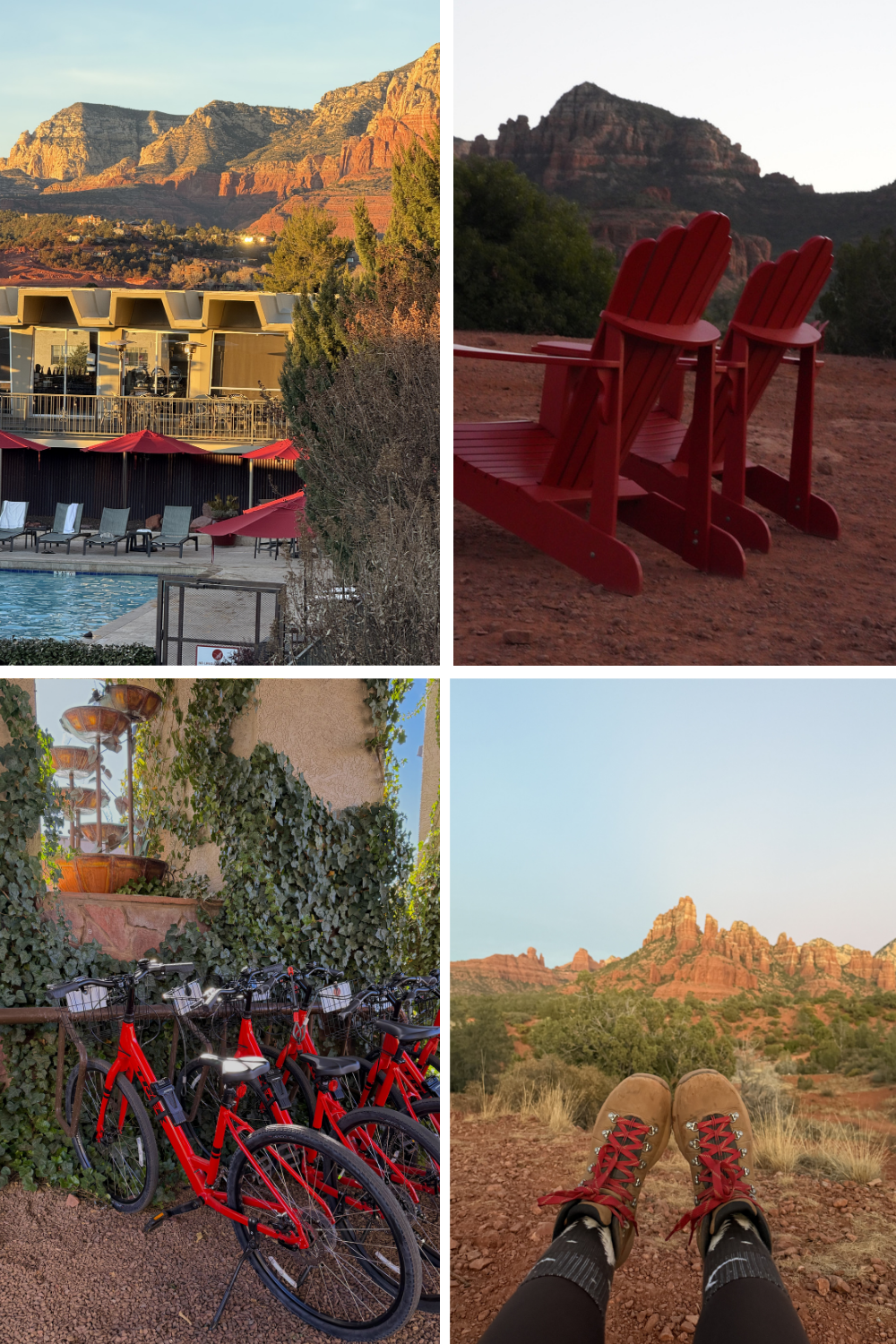
The Arabella Hotel Sedona is one of the better mid-range picks in town and consistently well-reviewed. It’s located in the heart of Sedona with easy access to the main trailheads, has a outdoor pool that’s genuinely welcome in summer, and the rooms are clean, comfortable, and nicely designed without the resort price tag. It’s the kind of place that punches above its weight — you’re not sacrificing much by not splurging on a full resort stay. It also has it’s own beautiful trail with sunset views, chairs, and fire pits. Worth checking availability early if you’re visiting in July or August, as it books up faster than you’d expect for a mid-range property.
L’Auberge Sedona
L’Auberge de Sedona is in a category of its own. Set right on the banks of Oak Creek with towering sycamores and red rock views in every direction, it’s one of those properties that genuinely lives up to its reputation. The cottages and creek-side rooms are stunning — waking up to the sound of the creek with canyon walls outside your window is hard to beat anywhere in Arizona. The on-site restaurant, Cress on Oak Creek, is excellent and worth a dinner reservation even if you’re not staying there.
In summer specifically, the creek access is a major perk — you can wade in the water right from the property when the heat peaks in the afternoon. The location is amazing too- near Uptown Sedona.
Junipine Resort
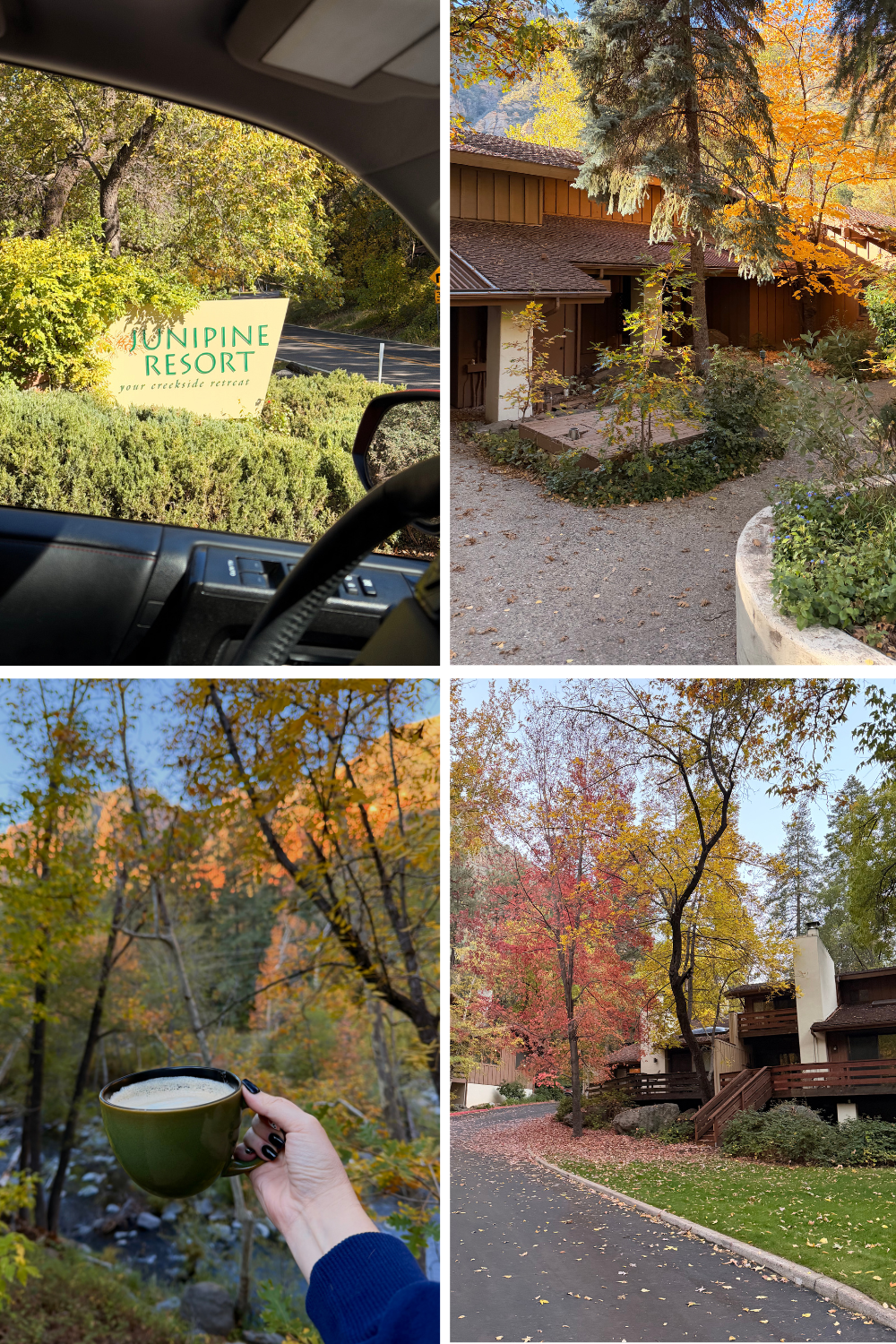
Junipine Resort is one of the most unique places to stay in Sedona and a particularly smart pick for a summer trip. The resort sits inside Oak Creek Canyon, about 8 miles north of Uptown Sedona, tucked into the trees along the creek with creekside cabins and multi-room creektop suites that feel genuinely removed from the world. It’s cooler up in the canyon than it is down in town — sometimes by 10 degrees or more — which makes a real difference when summer temperatures are peaking.
The biggest practical advantage is the location: West Fork Trail, the best summer hike in Sedona, starts almost literally at the resort’s doorstep. You can be on the trail before 7am without driving anywhere, which is a significant perk when you’re trying to beat the heat. After your hike you’re back at the creek, the trees are providing shade, and the whole afternoon feels manageable in a way it might not if you were baking in Uptown. They have their own restaurant too, and it’s yummy!
Tips for Visiting Sedona in Summer
A lot of these have come up throughout the guide already, but here’s everything in one place so you can refer back to it when you’re planning.
Start every hiking day before 7am This is the single most important thing. Sedona’s exposed red rock trails have almost no shade and the heat builds fast once the sun is up. Early starts aren’t just more comfortable — they’re genuinely safer, and the light is better for photos anyway.
Bring more water than you think you need The dry heat is deceptive. You’re sweating and losing fluid faster than you realize, and there are no water sources on most Sedona trails. Two liters per person minimum for anything over two miles, more for longer hikes. A hydration pack is worth it over handheld bottles if you’re doing multiple hikes.
Download trails before you go Cell service in Oak Creek Canyon and some of the more remote trailheads is unreliable. Download your trails on AllTrails before you leave the hotel so you’re not scrambling for signal on the trail.
Watch the monsoon forecast Afternoon storms can roll in fast between July and September, especially later in the afternoon. Check the forecast each morning, plan to be off exposed trails and out of slot canyons by noon, and don’t let a dramatic sky catch you somewhere exposed. That said — if you’re safely off the trail when a storm rolls through, watching it from a covered patio or your resort is one of the more spectacular things Sedona summer has to offer.
Plan your afternoons The visitors who struggle in Sedona summer are usually the ones without a plan for the middle of the day. Build your itinerary around the heat: hike in the morning, pool or Tlaquepaque or a long lunch in the afternoon, explore again in the evening. Fighting the heat instead of working around it is what makes people miserable.
Summary of Sedona in Summer
Honestly, yes — with the right expectations.
Sedona in summer isn’t a trip where you wander out at noon and wing it. It rewards people who plan around the heat, start their days early, and lean into what the season actually offers: quieter trails than spring, lower accommodation prices than peak season, dramatic monsoon skies, cold swimming holes, and long golden evenings that make the red rocks glow in a way that’s hard to describe until you’ve seen it.
The visitors who come home underwhelmed are usually the ones who underestimated the heat or overscheduled their days without building in downtime. The ones who love it are up at sunrise, on West Fork Trail before the heat builds, back at the creek by noon, and watching a thunderstorm roll over the canyon from a shaded patio by 4pm. That’s a pretty good day by most measures.
Sedona is worth it any time of year. Summer just requires you to pay a little more attention — and that’s usually when travel is most rewarding anyway.