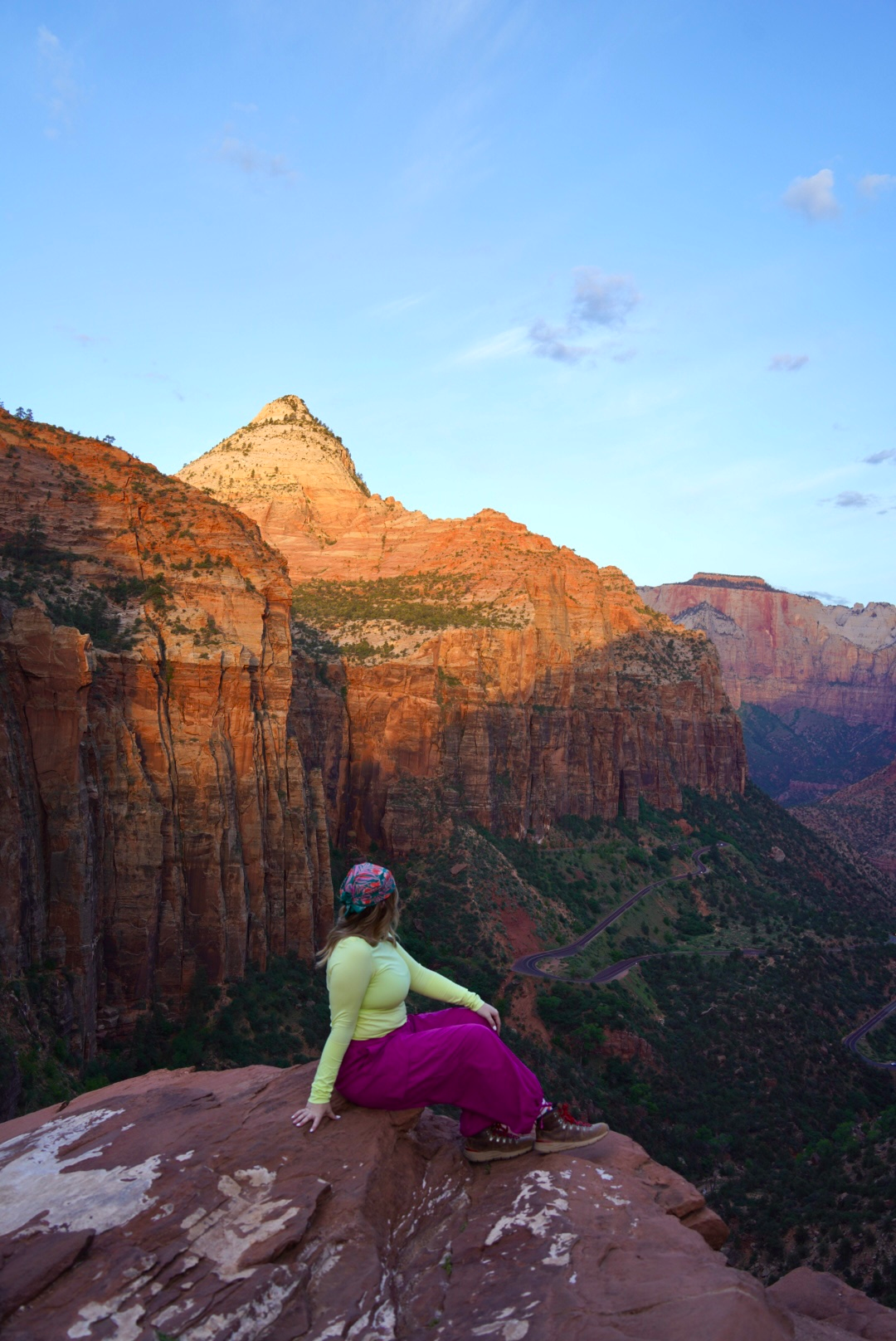
Best Time to Visit Sedona, Arizona (By Season & Month)
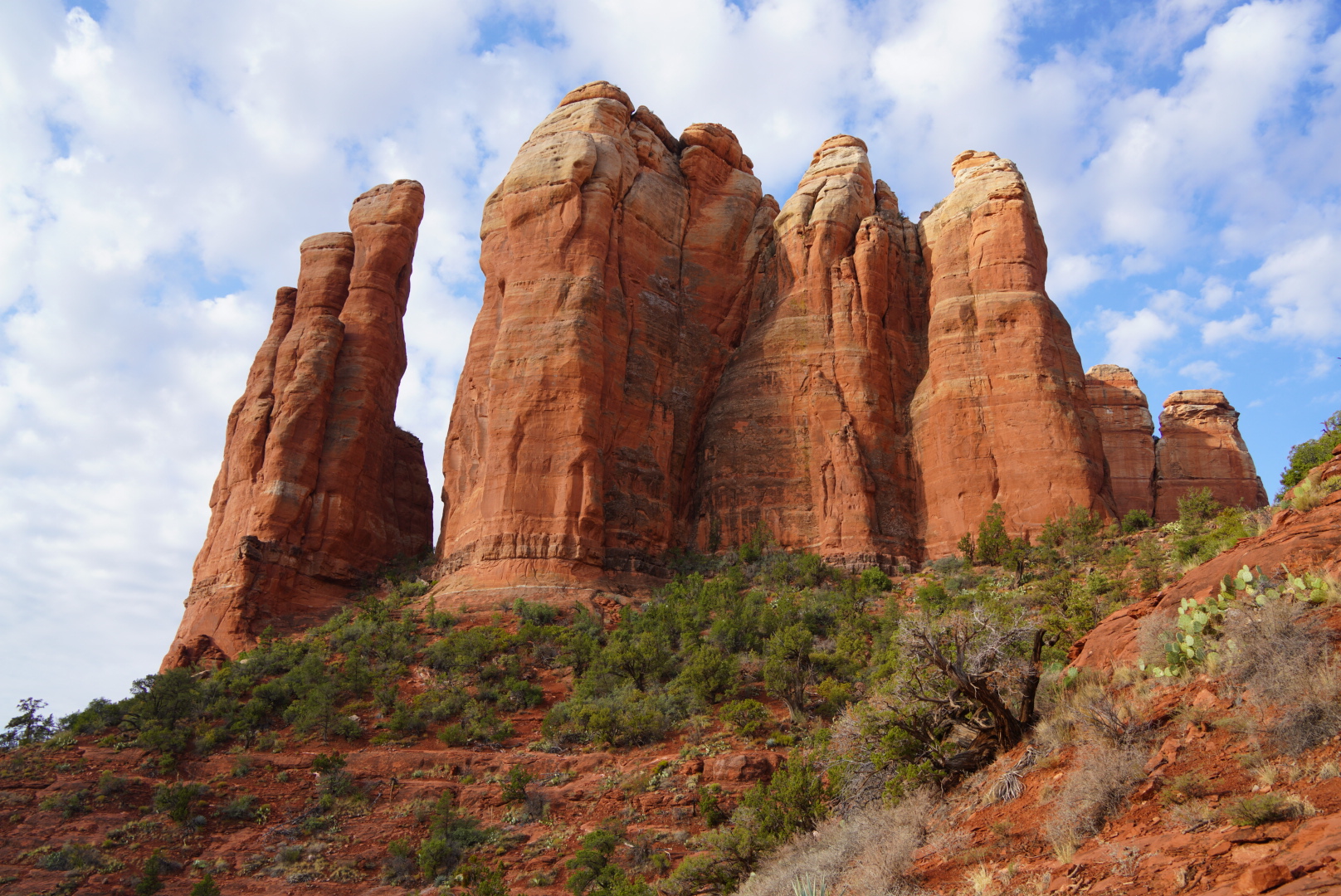
The best time to visit Sedona is March through May and September through November, when temperatures are comfortable for hiking, outdoor adventures, and exploring town. Spring brings wildflowers and mild weather, while fall offers cooler days, vibrant autumn colors, and some of the year’s most beautiful hiking conditions.
That said, every season has something unique to offer. Summer is perfect for swimming in Oak Creek and enjoying long daylight hours, while winter brings fewer crowds, occasional snowfall, and a completely different perspective of Sedona’s famous red rocks.
After visiting Sedona throughout multiple seasons, I’ve found that the best time depends on what you’re hoping to experience. In this guide, I’ll break down what each season is like, average temperatures, crowd levels, and which activities are best throughout the year.
Quick Answer: What is the Best Time to Visit Sedona?
The best time to visit Sedona is during the spring (March through May) and fall (September through November). These seasons offer comfortable temperatures, ideal hiking conditions, and beautiful scenery, making them the most popular times to explore Sedona’s famous red rock landscapes.
If you’re planning to spend your days hiking, exploring scenic drives, or enjoying outdoor patios and coffee shops, spring and fall provide the best overall experience. That said, every season has something unique to offer. Summer is perfect for cooling off in Oak Creek and enjoying long daylight hours, while winter brings smaller crowds, lower hotel prices, and the chance to see Sedona’s iconic red rocks dusted with snow.
Best Time to Visit Based on Your Travel Style
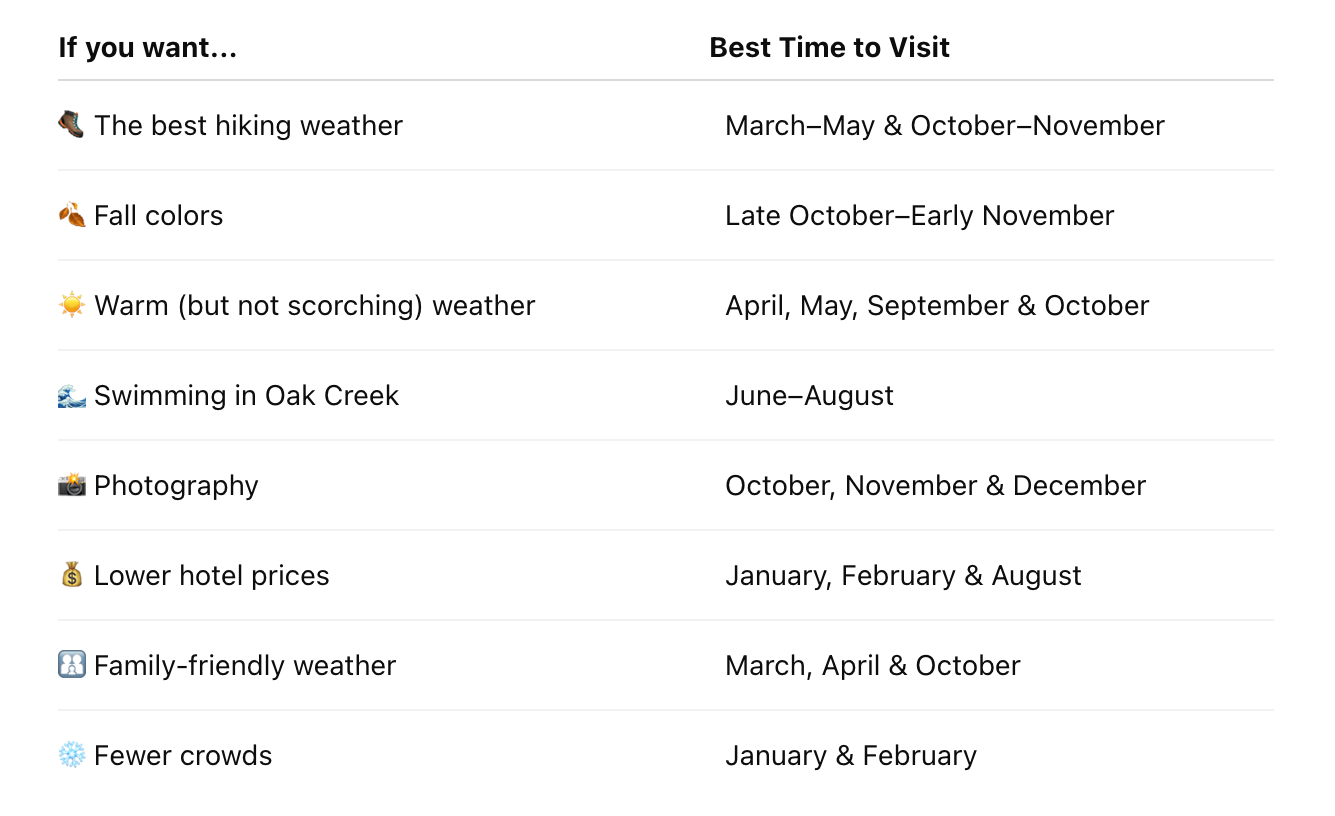
No matter when you visit, Sedona offers incredible hiking, scenic drives, unique restaurants, and unforgettable sunsets. The best time to visit ultimately depends on whether you’re looking for perfect hiking weather, vibrant fall colors, fewer crowds, or the lowest hotel prices. Below, I’ll break down what to expect during each season and month so you can choose the best time for your trip.
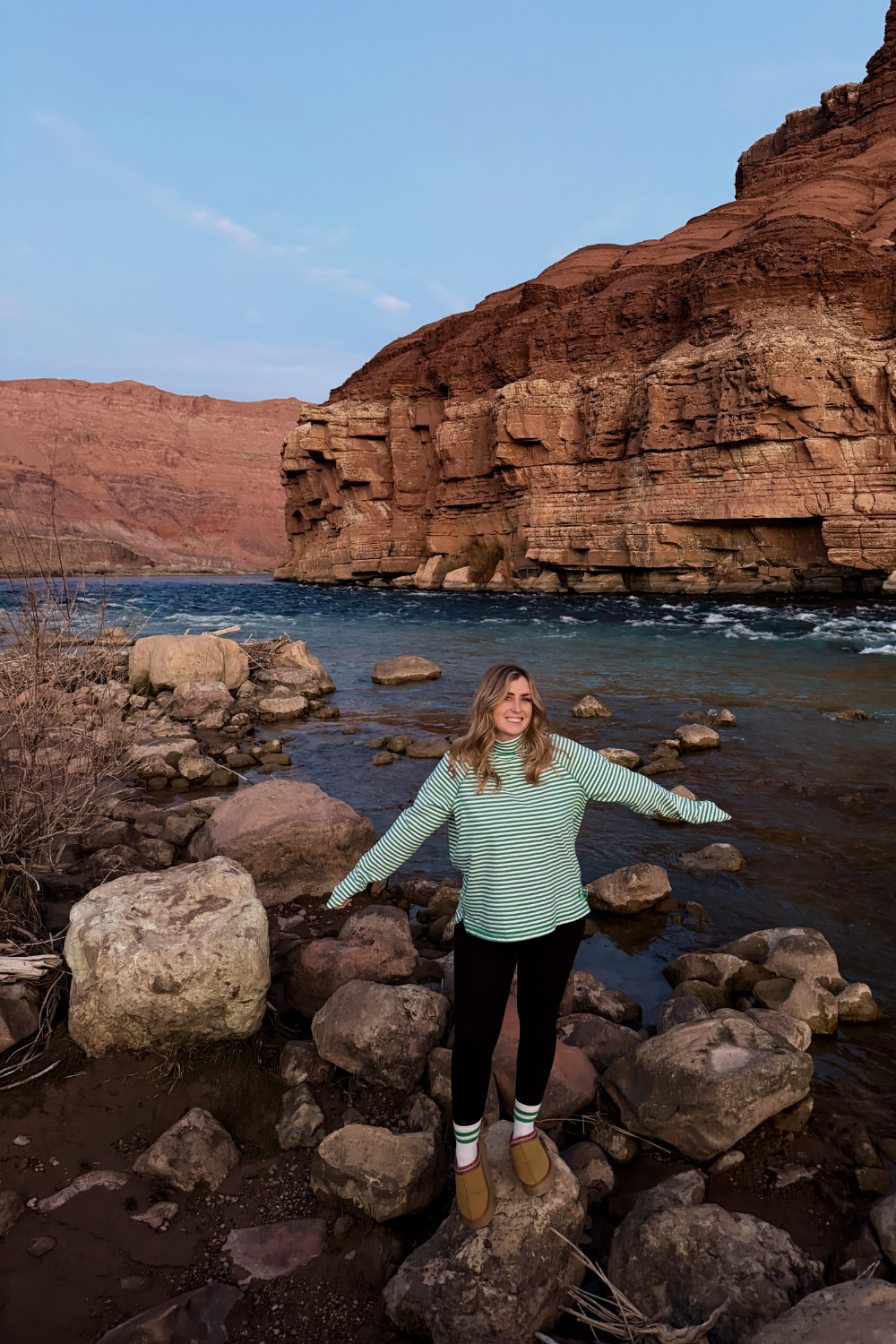
Hi, I’m Danielle — an Arizona-based outdoor creator who has personally explored every destination I write about. I’ve been hiking and adventuring across the Southwest since 2020 and started this blog to share honest, firsthand guides so you can skip the guesswork!
I also just wanted to say thank you for supporting a real creator’s work over just an AI summary.
Sedona Weather by Season
No matter when you visit, Sedona offers incredible hiking, scenic drives, unique restaurants, and unforgettable sunsets. The best time to visit ultimately depends on whether you’re looking for perfect hiking weather, vibrant fall colors, fewer crowds, or the lowest hotel prices. Below, I’ll break down what to expect during each season and month so you can choose the best time for your trip. Let’s get into each season!
Visiting Sedona in Spring (March-May)
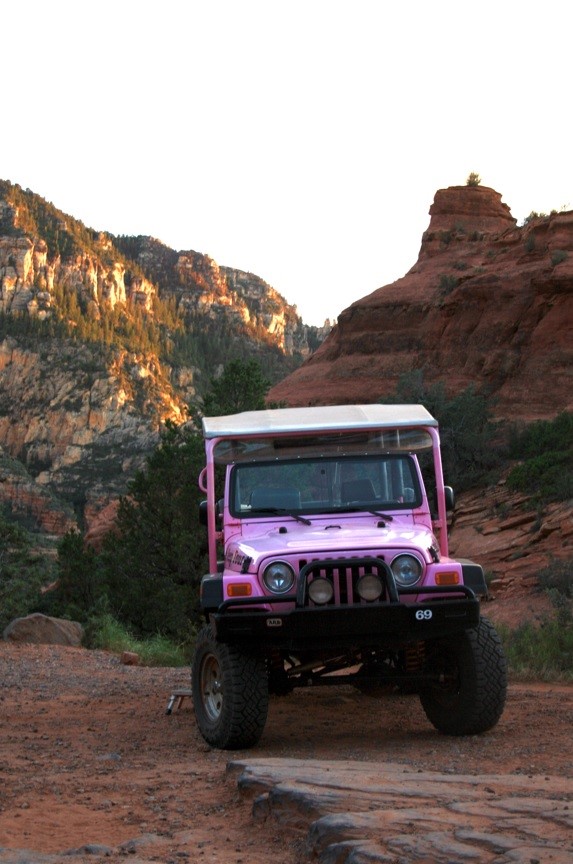
Spring is widely considered one of the best times to visit Sedona. From March through May, daytime temperatures are comfortably warm, wildflowers begin blooming across the desert, and the area’s famous hiking trails are at their best. Whether you’re planning to hike Cathedral Rock at sunrise, explore Tlaquepaque Arts & Shopping Village, or relax on a sunny patio with a coffee, spring offers ideal conditions for spending time outdoors.
Spring Weather in Sedona
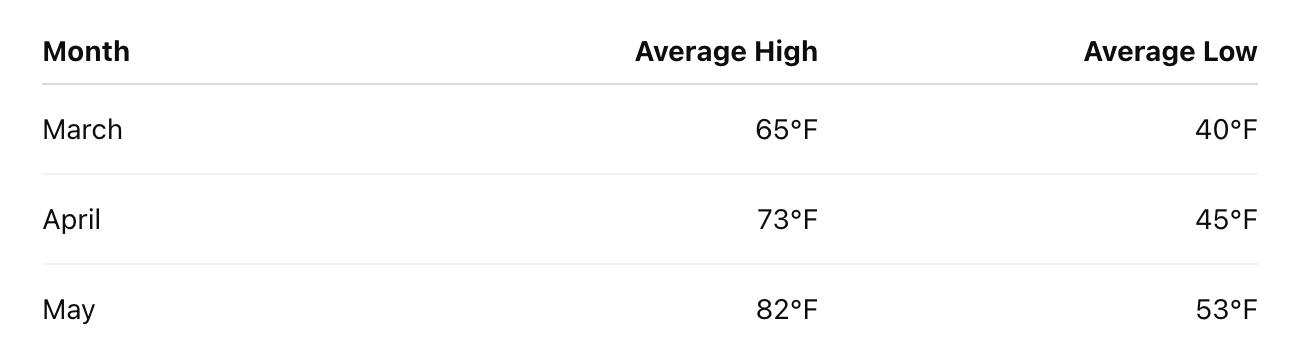
Spring temperatures gradually warm throughout the season, with average daytime highs ranging from the mid-60s in March to the low 80s by May. Mornings and evenings can still be cool, so packing light layers is recommended—especially if you’re heading out for sunrise hikes.
Why Visit Sedona in Spring?
Spring combines comfortable weather with some of the year’s most beautiful scenery. Desert wildflowers add pops of color to the red rock landscape, hiking trails are comfortable throughout much of the day, and longer daylight hours leave plenty of time to explore.
Because of these ideal conditions, spring is one of Sedona’s busiest seasons. Popular hiking trails such as Devil’s Bridge and Cathedral Rock can fill early, especially on weekends and during spring break, so arriving before sunrise is often worth it. Booking hotels several months in advance is also a good idea if you’re visiting during peak spring weekends.
Best Things To Do in Sedona in Spring?
Spring is an excellent time for hiking, scenic drives, jeep tours, and relaxing outdoors. Some of the best spring activities include:
- Hiking Cathedral Rock or Devil’s Bridge
- Exploring Tlaquepaque Arts & Shopping Village
- Driving the Red Rock Scenic Byway
- Taking a Pink Jeep Tour
- Enjoying coffee on a sunny patio
- Visiting Oak Creek before summer crowds arrive
Visiting Sedona in Summer (June-August)
While many people avoid Sedona in the summer because of the heat, I actually think it’s one of the most underrated times to visit—if you plan your days wisely. Summer brings long daylight hours, vibrant sunsets, fewer crowds than spring and fall, and plenty of opportunities to cool off in Oak Creek after a morning hike.
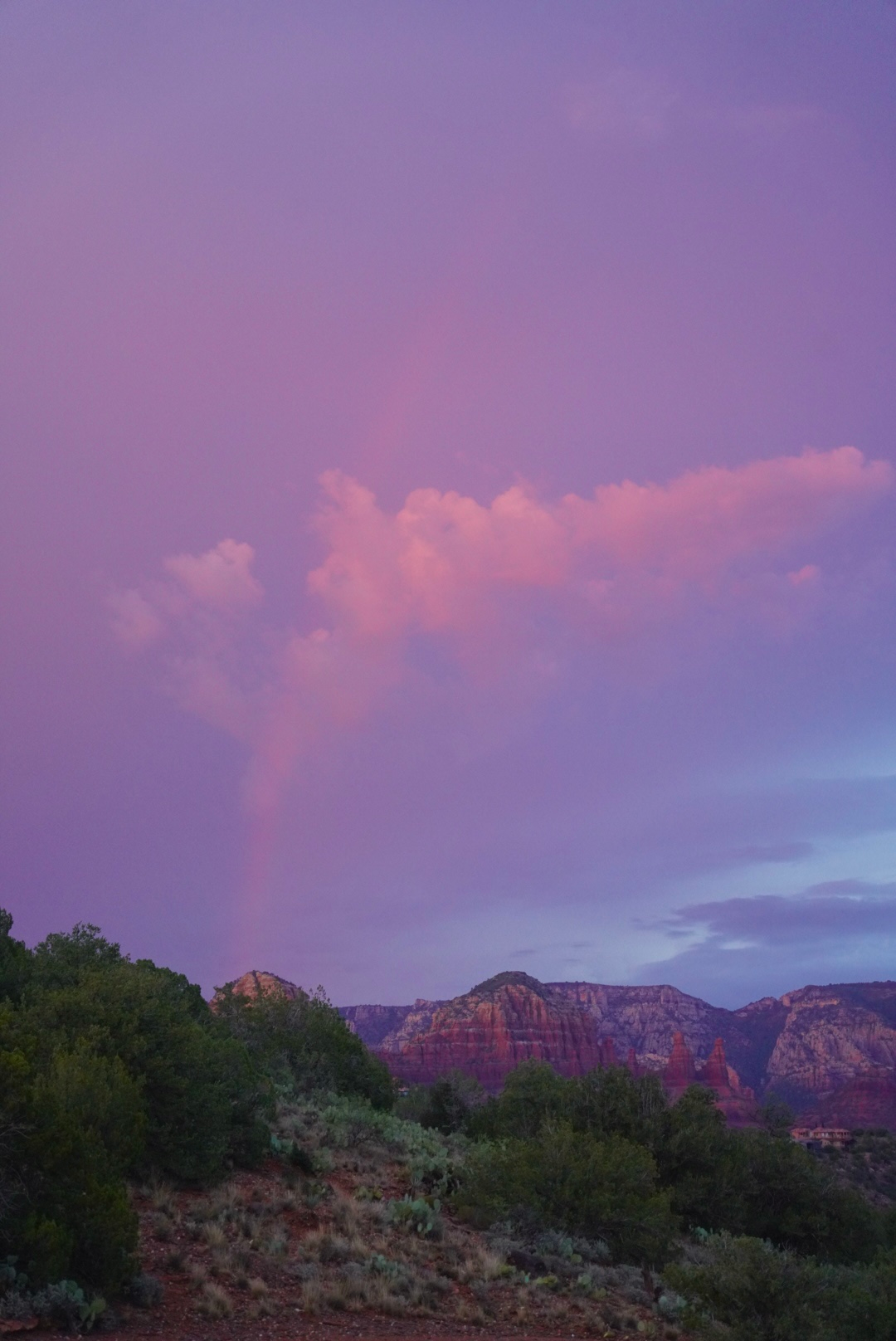
The key to enjoying Sedona in summer is starting your outdoor adventures early. Many visitors hit the trails around sunrise, spend the hottest part of the afternoon exploring shops, relaxing by the pool, or grabbing lunch, then head back outside for sunset viewpoints or an evening jeep tour. One thing I love about summer too are the sunsets after thunderstorms- insane!!
Summer Weather in Sedona
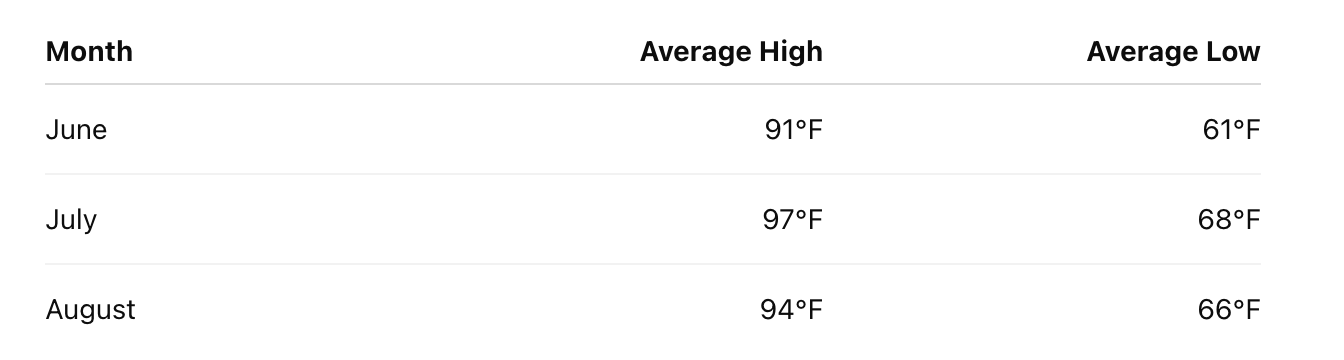
Summer days are hot, with afternoon highs regularly reaching the 90s. However, Sedona’s elevation keeps temperatures noticeably cooler than Phoenix, and mornings are often pleasant enough for hiking before the heat sets in.
July and August also mark Arizona’s monsoon season. Afternoon thunderstorms are common and can produce dramatic clouds, colorful sunsets, and occasional flash flooding in washes and slot canyons. If you’re planning to hike, it’s always a good idea to check the forecast and finish exposed trails before storms develop.
Why Visit Sedona in Summer?
Summer is ideal if you don’t mind early mornings and want to experience a different side of Sedona. Longer daylight hours make it easy to fit multiple activities into your itinerary, and Oak Creek becomes one of the most popular places to cool off after hiking.
Summer can also be a great time to find hotel deals compared to peak spring and fall weekends, especially if you’re visiting midweek. While temperatures are warmer, attractions, restaurants, and scenic drives remain open, and you’ll often find fewer people on the trails if you head out early.
The biggest challenge is the afternoon heat. Hiking during the middle of the day isn’t recommended, and monsoon storms can develop quickly during July and August. With a little planning, though, summer can still be an excellent time to visit.
Best Things To Do in Sedona in Summer
Summer is all about balancing outdoor adventures with ways to stay cool. Some of the best activities include:
- Start a sunrise hike before temperatures climb
- Cool off at Slide Rock State Park or along Oak Creek
- Relax by your hotel’s pool during the afternoon
- Explore Tlaquepaque Arts & Shopping Village and local galleries
- Enjoy lunch or coffee indoors during the hottest part of the day
- Take a sunset jeep tour as temperatures begin to cool
- Watch one of Sedona’s incredible summer sunsets from Airport Mesa or another scenic overlook
With an early start and a flexible itinerary, summer can be a fantastic time to experience Sedona while enjoying quieter mornings and unforgettable desert sunsets.
Visiting Sedona in Fall (September-November)
Fall is another one of the best times to visit Sedona, combining warm days, crisp mornings, and some of the most comfortable hiking weather of the year. As summer temperatures fade, the red rock landscape becomes even more enjoyable to explore, making fall a favorite season for hikers, photographers, and weekend getaways.
While Sedona isn’t known for vibrant autumn foliage like Flagstaff or Oak Creek Canyon, you’ll still find beautiful pockets of changing leaves along Oak Creek and nearby scenic drives. Combined with cooler temperatures and fewer afternoon storms, fall is an incredible time to experience everything Sedona has to offer. Probably my favorite!

Fall Weather in Sedona
Fall temperatures gradually cool throughout the season. September still feels warm during the afternoon, while October brings ideal hiking weather and November introduces crisp mornings and cool evenings that are perfect for cozying up around a fire pit after a day of exploring.
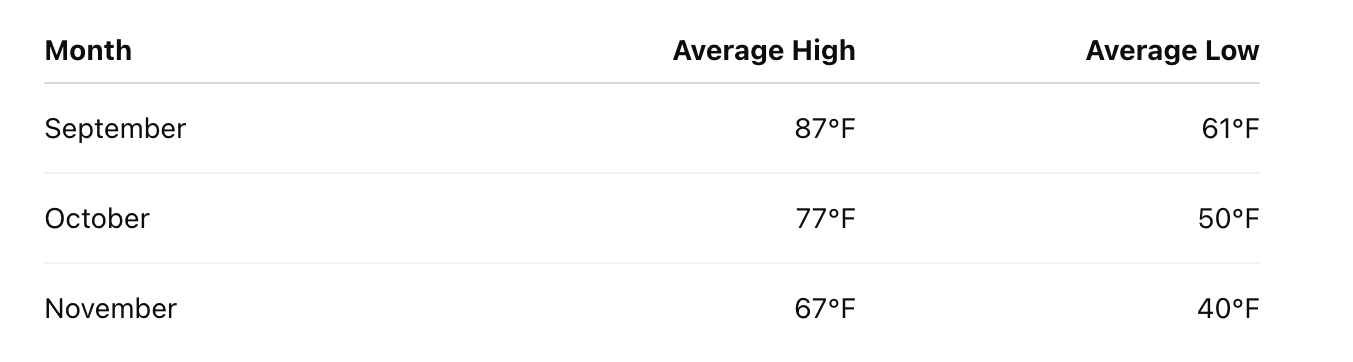
Why Visit Sedona in the Fall?
For many visitors, fall offers the perfect balance of pleasant weather, beautiful scenery, and endless opportunities to be outdoors. Cooler temperatures make longer hikes much more enjoyable than in summer, while clear skies create excellent conditions for photography and sunset views.
Fall is also one of the best times to enjoy Sedona’s patio restaurants, coffee shops, scenic drives, and jeep tours without the intense summer heat. If you’re looking for a relaxing weekend getaway, it’s hard to beat spending a cool autumn morning exploring the trails before grabbing coffee or lunch in town.
The tradeoff is that you’re visiting during another peak travel season. October is especially popular, with hotels often booking months in advance and trailhead parking lots filling early in the morning. If you’re planning a fall visit—particularly on weekends—it’s worth reserving accommodations well ahead of time.
Best Things To Do in Sedona in the Fall
With cooler temperatures and beautiful scenery, nearly every outdoor activity is at its best during the fall months. Some of my favorite fall experiences include:
- Hiking Cathedral Rock, Devil’s Bridge, Bell Rock, or Soldier Pass
- Driving the Red Rock Scenic Byway or through nearby Oak Creek Canyon
- Looking for fall colors along Oak Creek and surrounding canyons
- Taking a sunset jeep tour through Sedona’s backcountry
- Exploring Tlaquepaque Arts & Shopping Village
- Enjoying breakfast or coffee on a crisp patio morning
- Watching sunset from Airport Mesa or another scenic overlook
If you’re hoping to combine ideal hiking weather with cozy fall vibes, fall is one of the best seasons to experience Sedona.
Visiting Sedona in Winter (December-February)
Winter is one of Sedona’s best-kept secrets. While many travelers head to Arizona expecting warm desert weather, winter offers a quieter, more peaceful experience with cooler temperatures, fewer crowds, and the possibility of seeing Sedona’s famous red rocks dusted with snow.
If you don’t mind wearing a light jacket, winter can be an excellent time to explore the area’s hiking trails, scenic overlooks, and local restaurants without the busy crowds that arrive during spring and fall. It’s also one of the most affordable times to visit, making it a great option for travelers looking to save on accommodations.
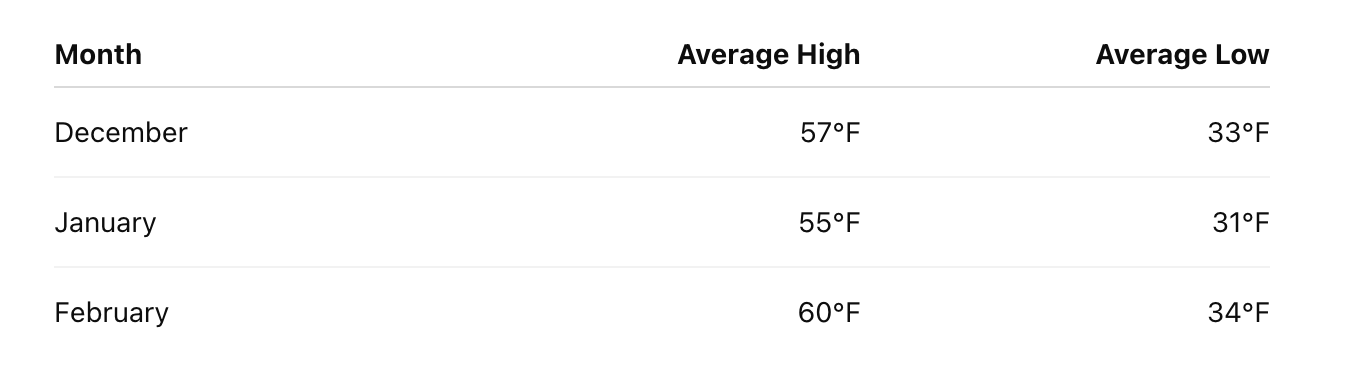
Winter Weather in Sedona
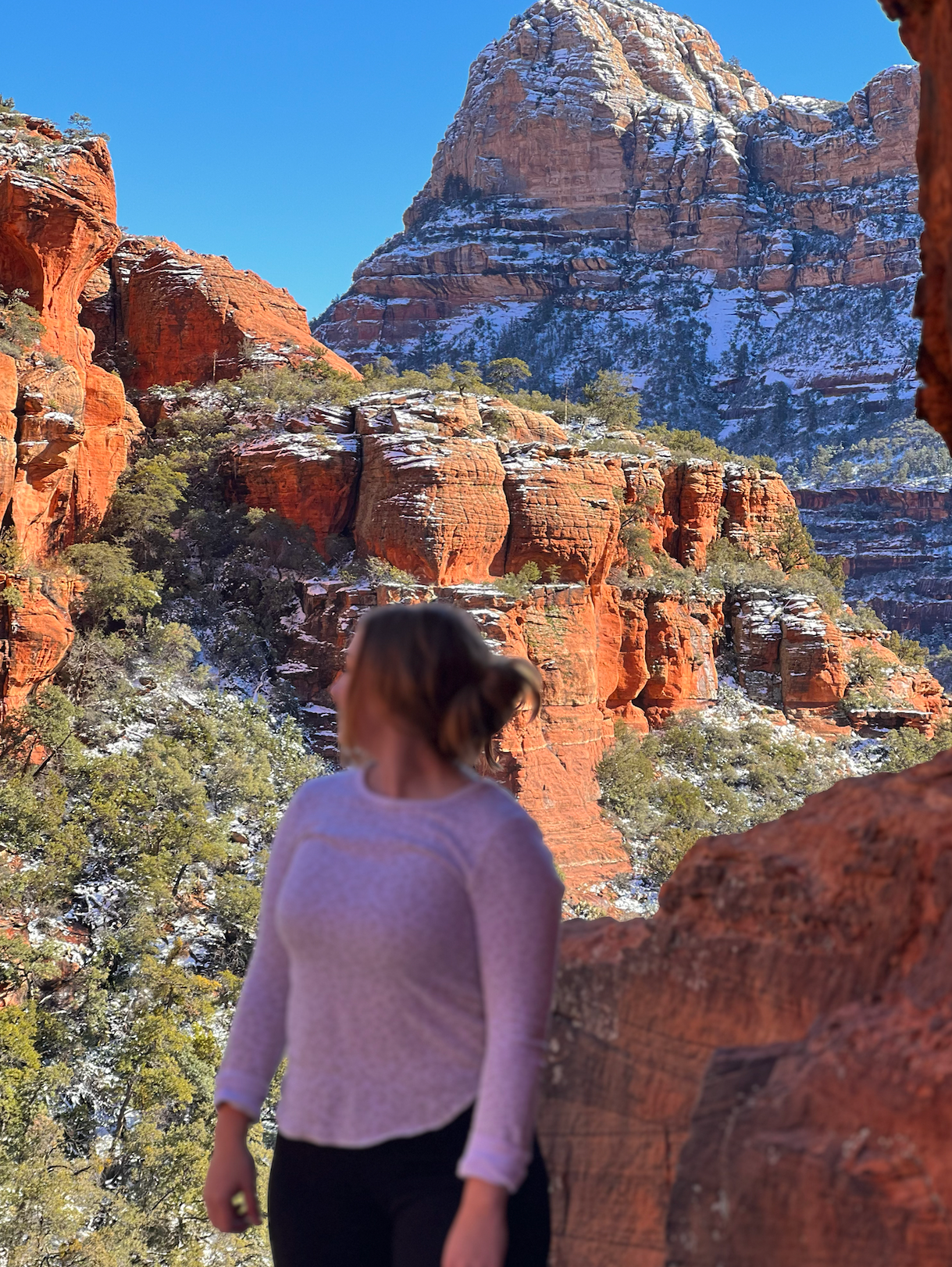
Winter days are generally mild, while mornings and evenings can be quite chilly. Snow is relatively uncommon in Sedona itself, but it does happen a few times each winter. Even a light snowfall creates one of the most stunning landscapes in Arizona, with bright white snow contrasting against the towering red rock formations.
Why Visit Sedona in the Winter?
Winter is perfect for travelers looking to experience a quieter side of Sedona. Cooler temperatures make midday hiking much more comfortable than during the summer, and you’ll often find shorter waits at restaurants, easier parking at popular trailheads, and lower hotel rates compared to peak spring and fall weekends.
It’s also one of the most photogenic times of year. If you’re lucky enough to visit after a snowfall, the contrast between the snow-covered red rocks and Arizona’s bright blue skies creates unforgettable scenery. We call it SNOWdona.
The biggest drawback is the cooler weather. Mornings often begin below freezing, and daylight hours are shorter, meaning you’ll want to plan your hikes accordingly. While snow is beautiful, it can occasionally make some trails muddy or icy for a day or two after a storm.
Best Things To Do in Sedona in the Winter
Winter is a wonderful time to slow down and enjoy Sedona without the peak-season crowds. Some of the best winter activities include:
- Hiking popular trails like Cathedral Rock, Bell Rock, or Devil’s Bridge during the warmer afternoon hours
- Photographing the red rocks after a fresh snowfall
- Exploring Tlaquepaque Arts & Shopping Village decorated for the holidays
- Warming up with coffee at one of Sedona’s cozy cafés
- Driving the Red Rock Scenic Byway on a clear winter day
- Relaxing by a fireplace at your hotel or resort
- Taking a scenic drive to nearby Flagstaff if you’re hoping to experience more snow
Sedona by Month
Every month offers a different experience in Sedona. Whether you’re looking for ideal hiking weather, vibrant fall colors, fewer crowds, or the lowest hotel prices, here’s what you can expect throughout the year.
January
January is one of the quietest months to visit Sedona, making it an excellent choice if you’re looking to avoid crowds and save on hotels. Daytime temperatures are cool but comfortable for hiking, and there’s even a chance of seeing snow dusting the famous red rock formations.
February
February offers mild winter weather with slightly warmer temperatures than January. Crowds remain relatively light, making it a great time to explore popular hiking trails, restaurants, and scenic viewpoints without the busy spring crowds.
March
March marks the beginning of spring and one of Sedona’s busiest seasons. Comfortable temperatures make it a fantastic month for hiking, though popular trails and hotels begin filling quickly during spring break. I would probably consider march to be one of the best months for hiking in Sedona!
April
April is one of the best months to visit Sedona. Wildflowers bloom across the desert, daytime temperatures are ideal for outdoor adventures, and nearly every activity—from hiking to jeep tours—is at its best. If you’re looking to avoid crowds, April is great because kids are still in school.
May
May brings warm days and cool mornings before the intense summer heat arrives. It’s a great month for hiking, scenic drives, patio dining, and exploring the area’s many attractions.
June
June kicks off summer with hot afternoons and long daylight hours. Early morning hikes followed by an afternoon relaxing at Oak Creek or your hotel’s pool make for an ideal summer itinerary.
July
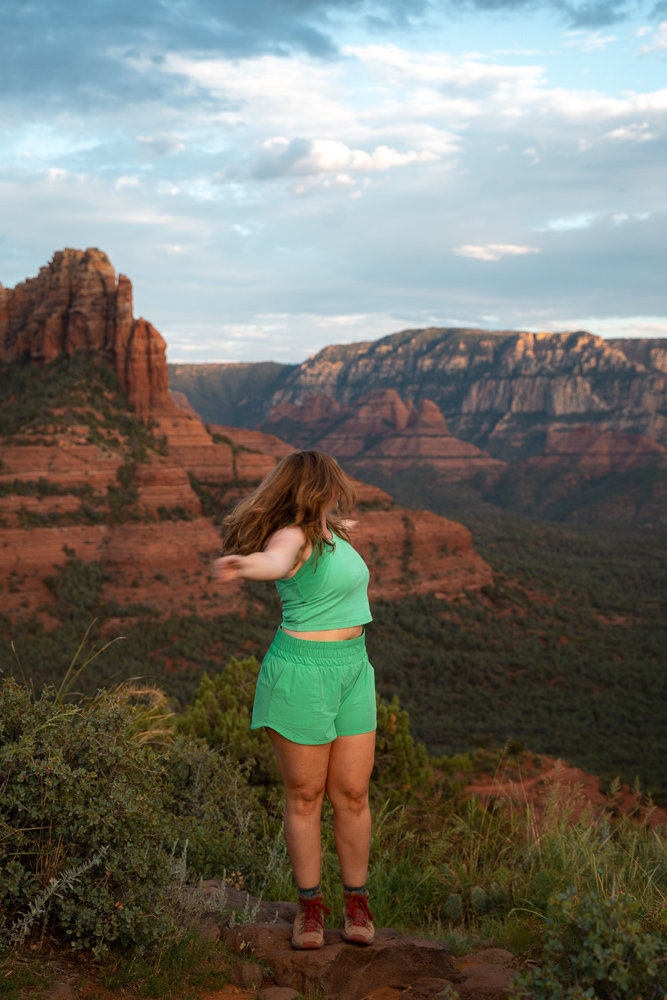
July is typically the hottest month of the year and marks the beginning of Arizona’s monsoon season. Afternoon thunderstorms can develop quickly but often create dramatic skies and beautiful sunsets over the red rocks. I took the video below in July!
August
August remains warm with regular afternoon monsoon storms, but it’s also a great month for swimming in Oak Creek and taking advantage of quieter mornings on the trails before temperatures rise.
September
September begins the transition into fall. Early in the month, afternoons are still warm, but cooler mornings make hiking increasingly enjoyable as the month goes on. This is a great time to avoid crowds in Sedona.
October
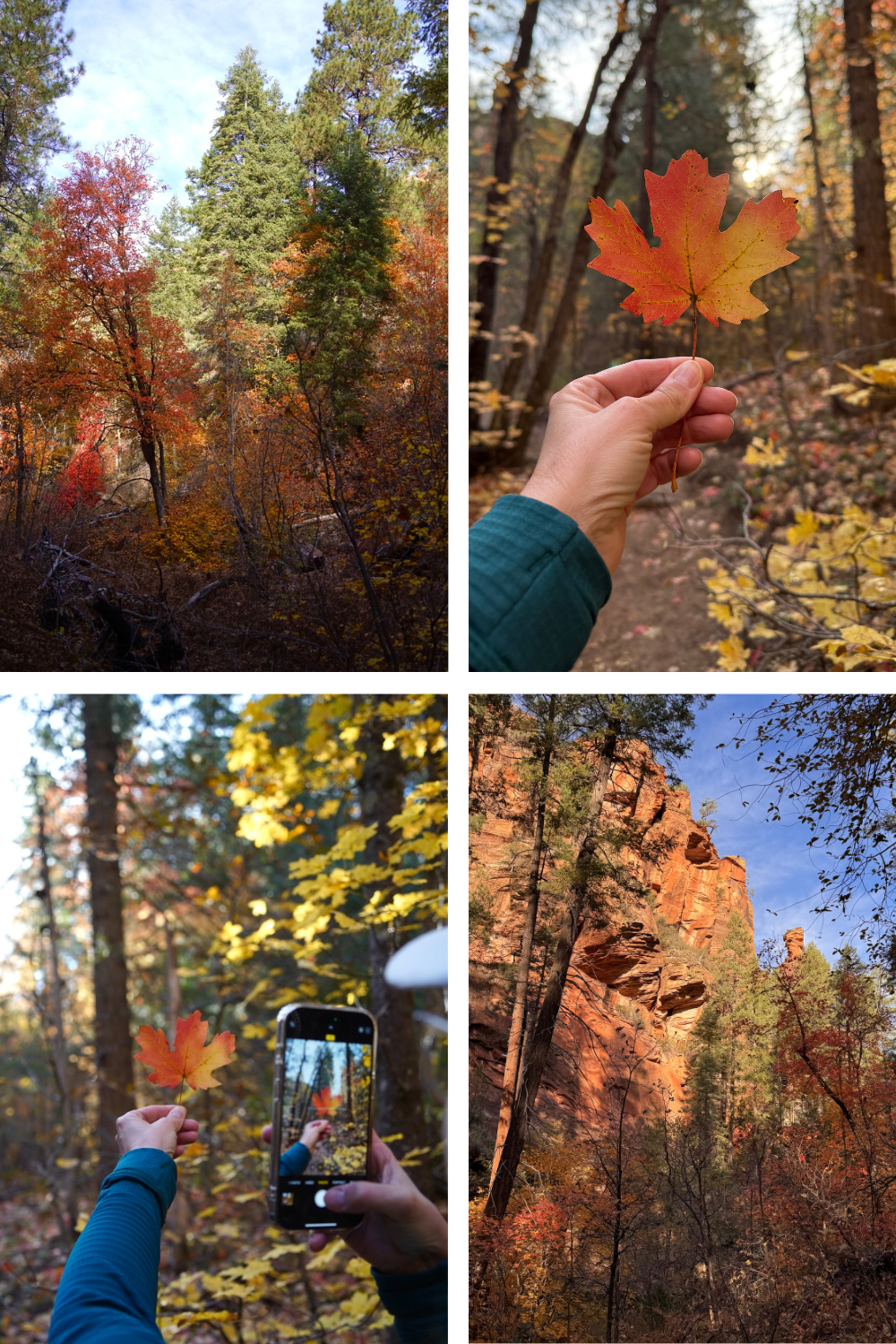
October is one of the most popular months to visit Sedona thanks to its comfortable temperatures, crisp mornings, and ideal hiking conditions. It’s also a beautiful time to take scenic drives through nearby Oak Creek Canyon as fall colors begin to appear. This is the best month for fall colors in Sedona.
November
November offers cool, pleasant weather with slightly fewer crowds than October. It’s one of the best months for hiking, photography, and enjoying Sedona’s outdoor patios before winter arrives. Usually you’ll be able to catch fall colors in the beginning of November as well.
December
December brings cool temperatures, holiday charm, and the possibility of snow on the red rocks. If you’re lucky enough to visit after a winter storm, you’ll experience one of the most photogenic landscapes in Arizona.
FAQs on the Best Time to Visit Sedona, Arizona
What is the best month to visit Sedona?
If you’re looking for the best combination of weather and outdoor activities, April and October are my top picks. Both months offer comfortable temperatures, excellent hiking conditions, and beautiful scenery. Spring brings blooming wildflowers, while October features crisp mornings and the beginning of fall colors in nearby Oak Creek Canyon.
What is the best time to visit Sedona for hiking?
The best hiking weather is typically March through May and October through November. During these months, daytime temperatures are comfortable enough to enjoy longer hikes without the intense summer heat. Popular trails like Cathedral Rock, Devil’s Bridge, and Soldier Pass are especially enjoyable during spring and fall.
What is the best time to visit Sedona to avoid crowds?
If you’d prefer a quieter experience, plan your visit during January or February. These months typically see fewer visitors than the busy spring and fall seasons, making it easier to find parking at trailheads, book restaurants, and enjoy a more relaxed atmosphere. I would also say April or September.
Does Sedona get snow?
Yes! While heavy snowfall is uncommon, Sedona usually sees a few snowfalls each winter. Snow rarely sticks around for long, but when it does, the contrast between the white snow and the red rock formations creates one of the most beautiful landscapes in Arizona.
When is monsoon season in Sedona?
Monsoon season typically runs from early July through mid-September. Afternoon thunderstorms are common during this time and can produce heavy rain, lightning, strong winds, and flash flooding. If you’re hiking, it’s best to start early in the morning and keep an eye on the forecast.
How many days do you need in Sedona?
I recommend spending at least 2–3 days in Sedona. This gives you enough time to hike a few of the area’s most popular trails, explore Tlaquepaque Arts & Shopping Village, enjoy several great restaurants and coffee shops, and catch both a sunrise and sunset over the red rocks. If you have more time, four or five days allows for a more relaxed pace and opportunities to explore nearby attractions like Oak Creek Canyon.
Is Sedona worth visiting year-round?
Absolutely. While spring and fall are the most popular seasons, Sedona is a year-round destination. Summer offers swimming in Oak Creek and spectacular monsoon sunsets, while winter brings fewer crowds, lower hotel prices, and the chance to see snow on the red rocks. Every season offers a unique experience depending on the type of trip you’re planning.