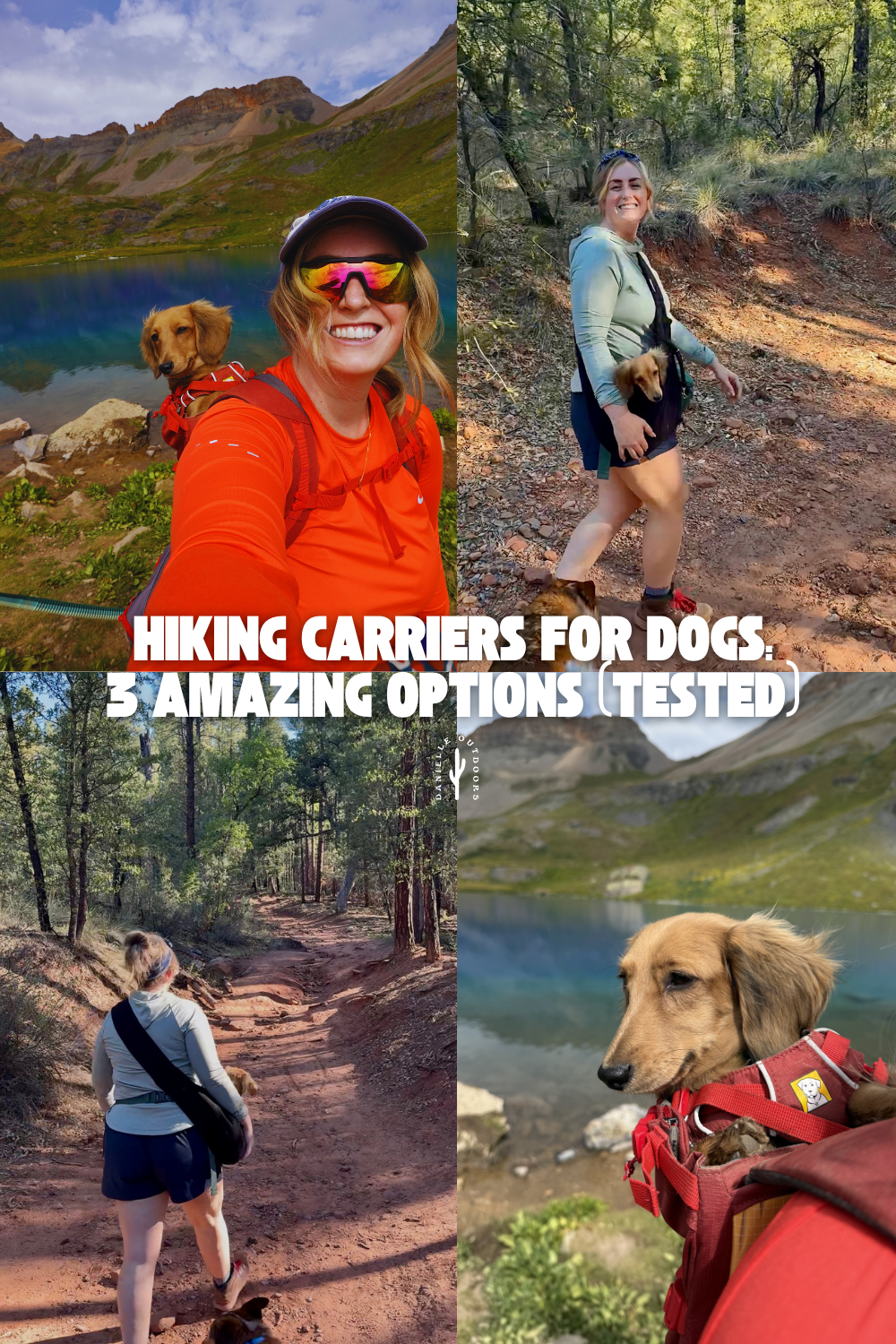
Best Hiking Carriers for Dogs — Tried & Tested by a Dog Mom on the Trail
Hiking with your dog sounds like a dream—until they get tired halfway up the trail, refuse to move, or you start worrying about heat and rough terrain. I’ve been there, and it’s exactly why I started looking into dog carriers for hiking.
After testing a few options on real trails, I quickly realized that the right carrier can completely change your experience—for both you and your dog. Whether you have a small pup, an older dog, or just want a backup plan for longer hikes, here are the best dog carriers for hiking and what to know before you buy one.
🐾 Quick Picks: Best Dog Carriers for Hiking
If you just want a quick answer, these are the dog carriers I’d actually recommend based on real use:
- 🏆 Best for long hikes: Ruffwear Hitch Hiker Backpack
→ The most supportive and comfortable option for longer trails, elevation gain, and bigger adventures. Check it out here. - 🎒 Best structured backpack (small dogs): Django Dog Carrier
→ A lightweight, more compact option that’s great for smaller dogs, travel, and everyday hikes. You can check it out here - 🐶 Best for short hikes / quick carry: Dog Sling Carrier
→ Perfect for easy trails, quick breaks, or dogs that just need occasional help—not ideal for long distances. Check it out here

Hi, I’m Danielle — an Arizona-based outdoor creator who has personally explored every destination I write about. I’ve been hiking and adventuring across the Southwest since 2020 and started this blog to share honest, firsthand guides so you can skip the guesswork!
I also just wanted to say thank you for supporting a real creator’s work over just an AI summary.
Hiking Carrier for Dogs- Why Do You Need One?
When hitting the trails, a hiking carrier for your dog can be a total game-changer, but it’s not just about convenience—it’s about safety, comfort, and inclusion. Not all dogs are built for long, strenuous hikes, and some trails simply aren’t safe for paws. Whether your dog is a small breed that tires easily or a senior who can’t keep up like they used to, a carrier ensures they don’t have to miss out on the adventure. Here are some key reasons why you might need a hiking carrier for your canine companion:
- Small Breed Stamina: Tiny legs can only go so far! A carrier allows small dogs to join in on longer, more challenging hikes without getting exhausted (applies to me!)
- Safety on Rough Terrain: Rocky, steep, or hot pavement can be dangerous for a dog’s paws. A carrier protects them from sharp objects, slips, and burns.
- Senior or Injured Dogs: Older dogs or those recovering from an injury can still enjoy the great outdoors from the comfort and security of a carrier.
- Crowded Trails: In busy areas, a carrier keeps your dog safe from being stepped on by other hikers or accidentally running into a cyclist.
- “Tired” Paws: Sometimes, even the most athletic dogs need a break. A carrier provides a rest stop on the go, allowing them to recharge and continue the journey later.
Types of Dog Carriers for Hiking
Not all dog carriers are built the same—and the best one for you really depends on the type of hike you’re doing and your dog’s size, energy level, and comfort.
In general, there are three main types of dog carriers for hiking:
🎒 Backpack Dog Carriers (Best for Longer Hikes)
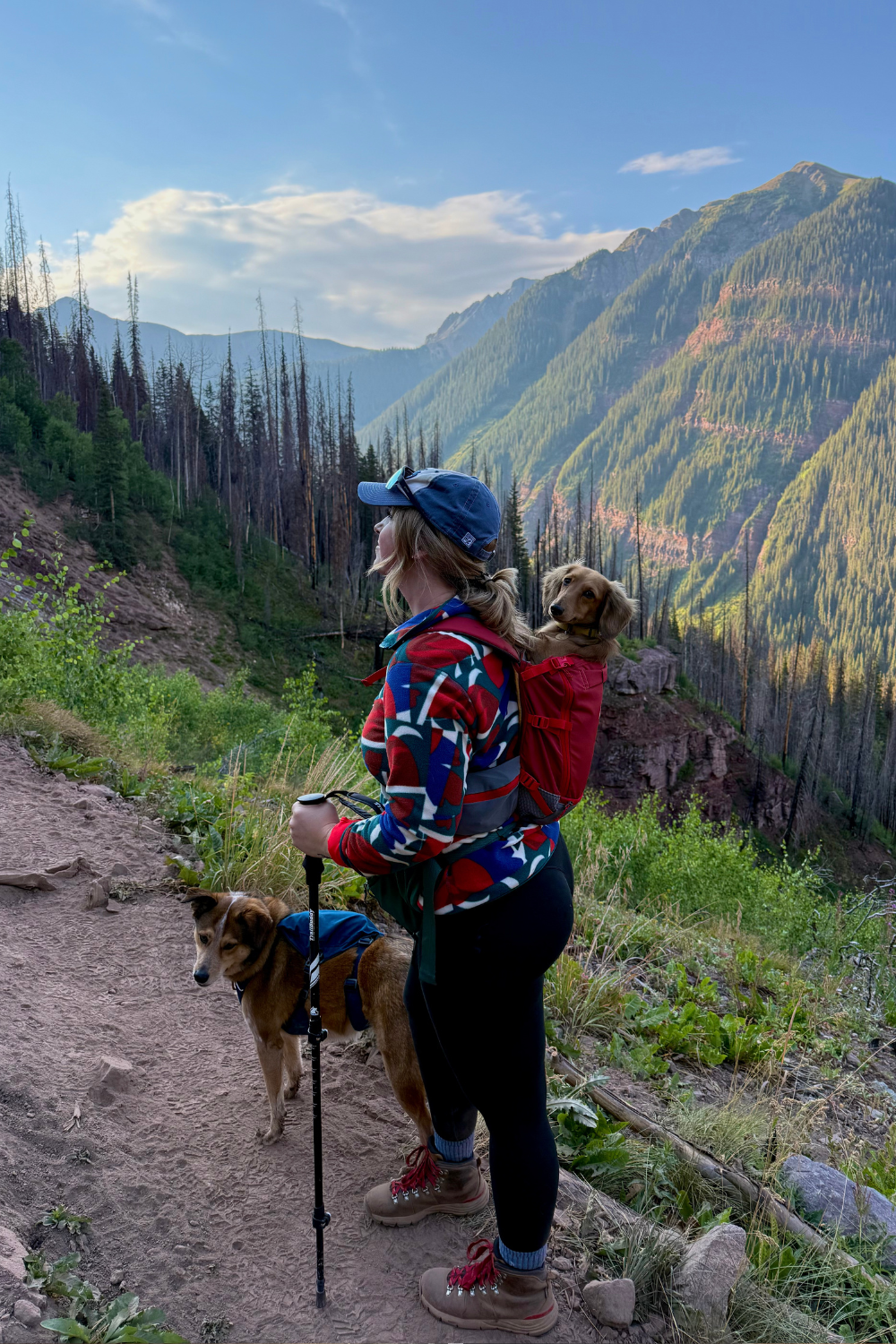
Backpack-style carriers are the most supportive option and are what I recommend for longer hikes, elevation gain, or rough terrain. These distribute your dog’s weight more evenly across your back and shoulders, making them much more comfortable for extended wear.
They’re especially great for:
- Small to medium dogs
- Longer trail days
- Steeper or more technical hikes
- Situations where your dog may need to be carried for extended periods
Some are more structured and technical (like Ruffwear), while others are more lightweight and compact (like Django), so there’s a bit of variety depending on what you’re looking for.
🐶 Dog Sling Carriers (Best for Short, Easy Trails)
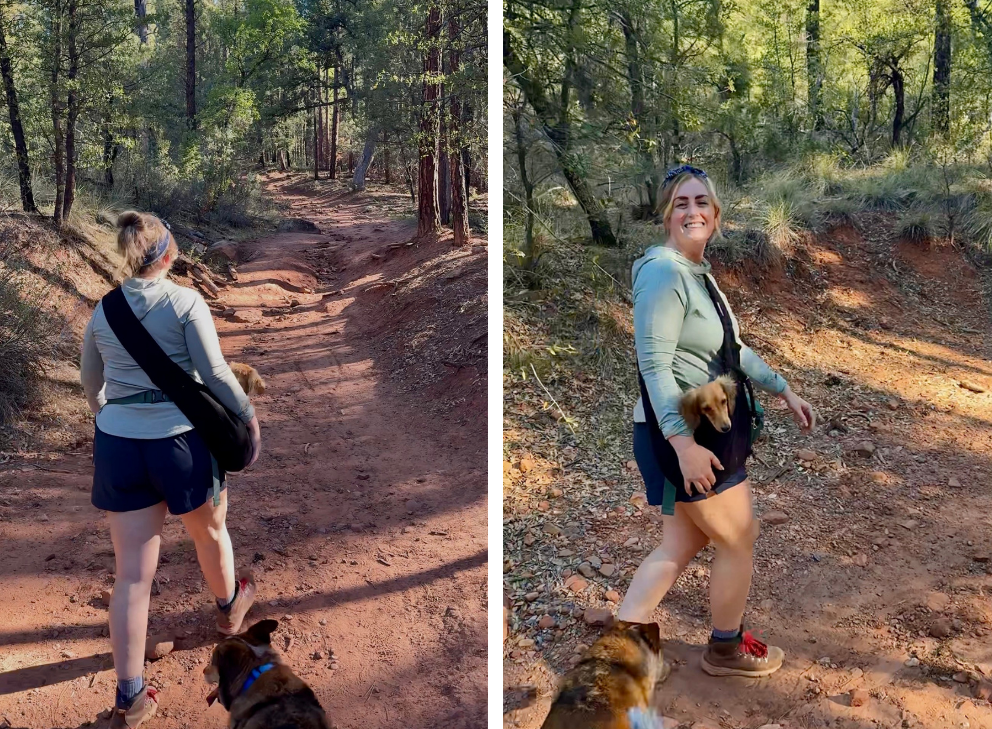
Sling-style carriers are a more casual option and work well for short hikes, flat trails, or quick carry situations. These are worn across your body and are easy to throw on when your dog gets tired—but they’re not designed for long distances.
They’re best for:
- Small dogs
- Short, easy hikes
- Backup carrying when your dog only needs occasional help
That said, they can get uncomfortable pretty quickly if you’re carrying your dog for longer stretches, since all the weight sits on one shoulder.
Best Dog Carriers for Hiking (Tested)
After trying a few different options on real hikes, I’ve found that not all dog carriers are created equal—especially once you get on the trail. Comfort, support, and how the weight is distributed make a huge difference, both for you and your dog.
Below are the dog carriers I’ve personally used and would actually recommend, whether you’re planning longer hikes, carrying a small dog, or just want a backup option for when your dog gets tired. Each one serves a different purpose, so the best choice really depends on how and where you plan to hike.
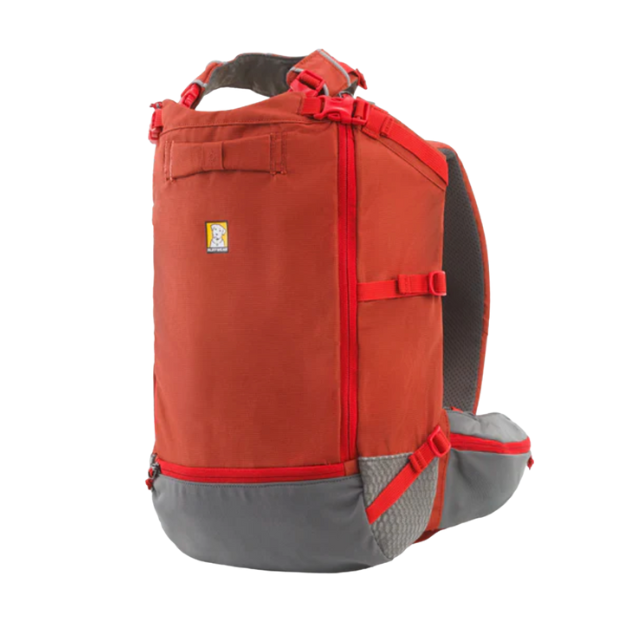
If you’re planning longer hikes or anything with elevation, this is the dog carrier I’d recommend. The Ruffwear Hitch Hiker Backpack is the most supportive option I’ve tested and feels much more like a true hiking pack than a casual carrier. Check it out HERE.
Pros:
- ✔️ Comfortable for longer distances
- ✔️ Great weight distribution
- ✔️ Durable and secure
Cons:
- ❌ Bulkier than other options
- ❌ Higher price point
- ❌ Not necessary for short hikes
My Experience
This is the carrier I reach for when I know I’ll actually need to carry my dog for part of the hike. It stays comfortable even with added weight and feels secure on uneven terrain, which makes a big difference on longer trails.
Fit for My Dog
Getting the right fit is crucial, especially for a dog with a unique build like a dachshund. The Hitch Hiker has adjustable straps and a comfortable, padded interior, which made it easy to get a snug and secure fit for my little girl. He was comfortable and stable throughout the hike, and I didn’t notice any chafing or discomfort. The harness-like design distributes weight evenly, which is a major plus. For weenie dogs/ dachshunds, it’s important to protect their back with multiple adjustment straps along the spine for a tight fit to prevent bouncing down their spine, which this backpack has!
Fit for Me
My 10 lb dog fits in the XXS size (they have XXS, XS, and S for dogs up to 40lbs), and I will say the only bummer of having a backpack so small is the “waist” strap was more along my stomach, but I don’t mind too much as she is light. Otherwise I liked the fit!
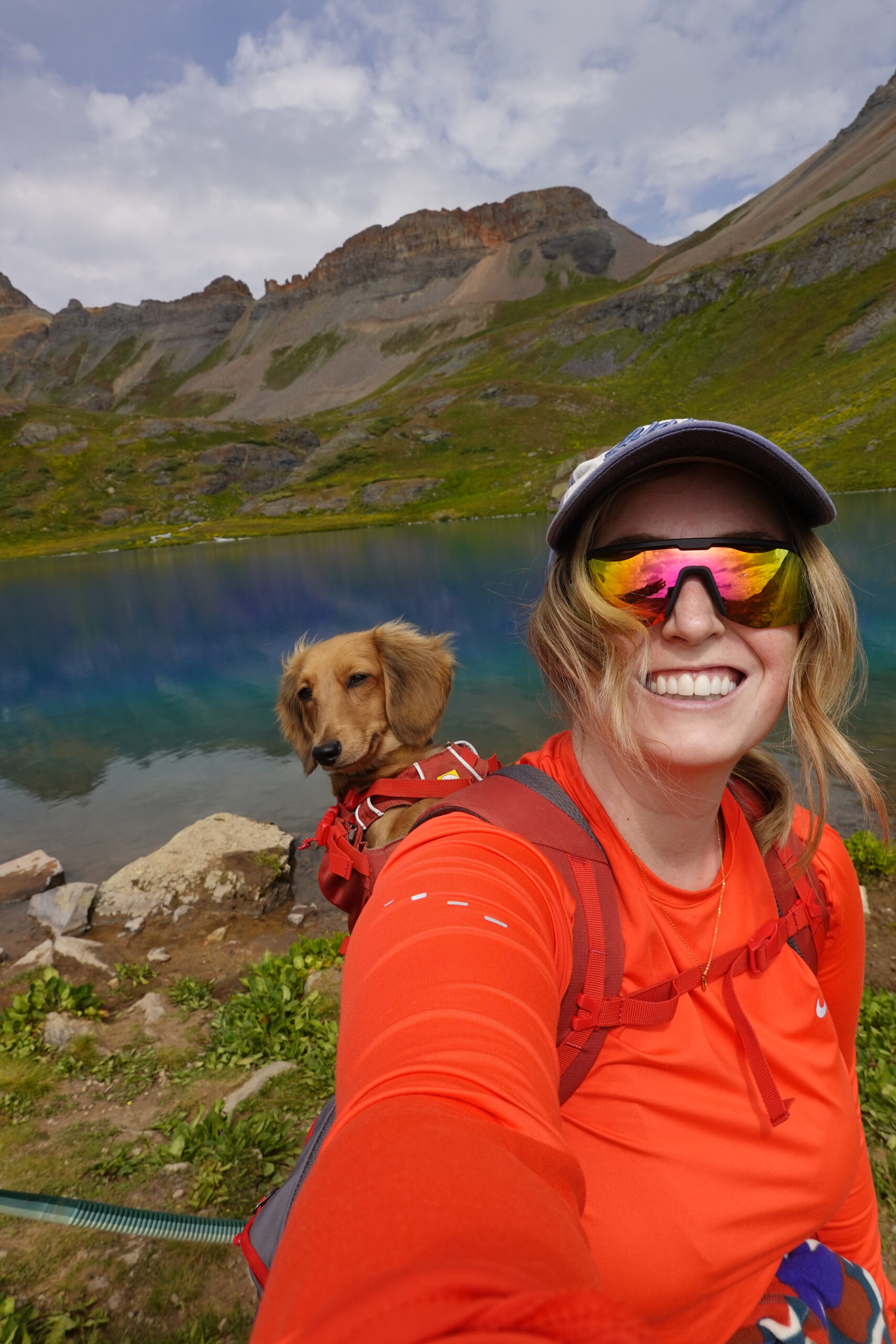
Hike Pictured: Ice Lake in Colorado
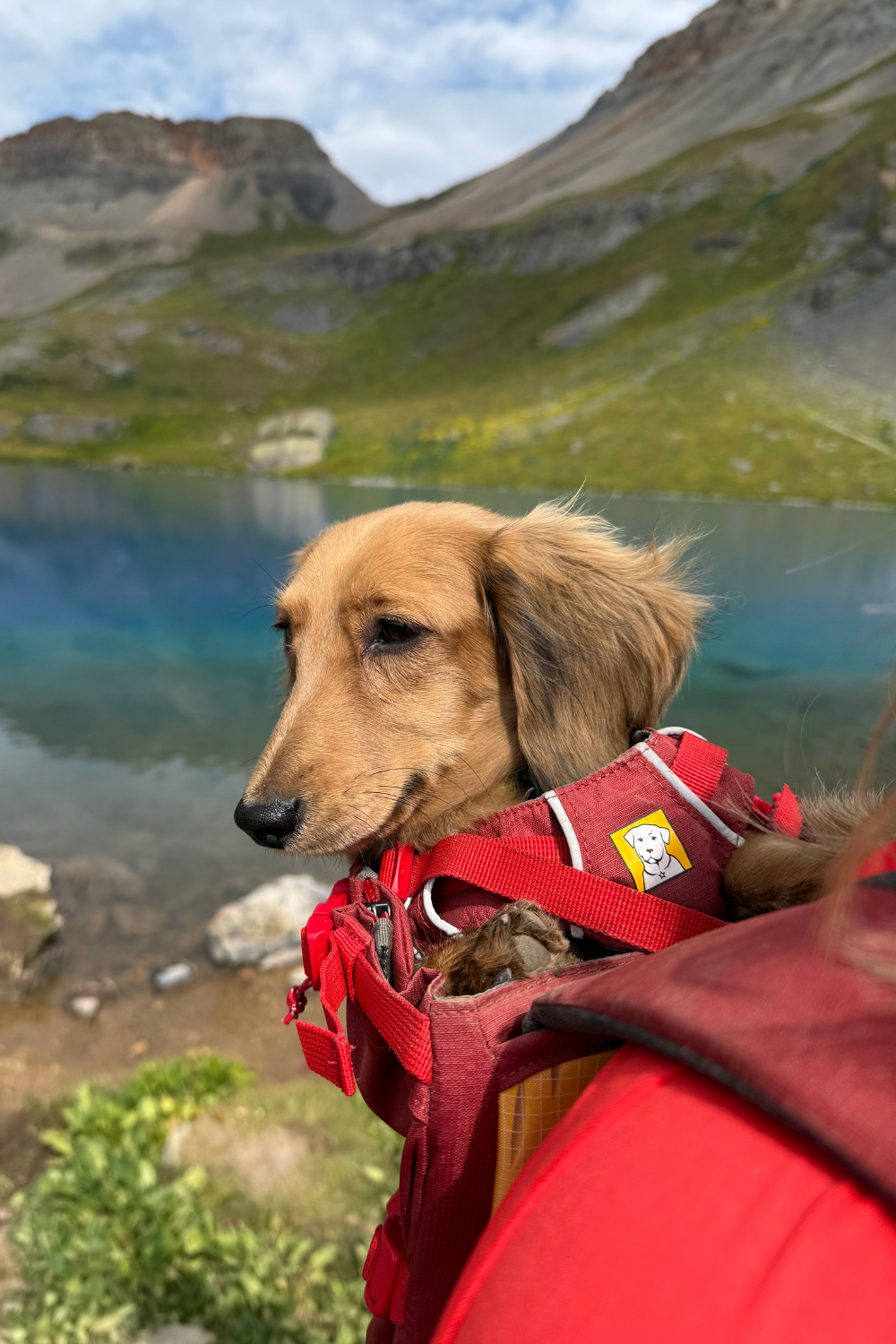
The Colorado trail pictured in this post (Ice Lake near Silverton, CO) was a mix of steep inclines, rocky terrain, and breathtaking views. The Ruffwear Hitch Hiker performed exceptionally well. My dachshund seemed to enjoy the ride, nestled securely in the front of the pack. The ventilation was excellent, preventing him from overheating even on sunny stretches. I was able to navigate the tricky parts of the trail with both hands free, and the pack’s streamlined design didn’t hinder my movement at all.
Pros:
- ✔️ Sits comfortably and fits well around the waist
- ✔️ Allows your dog to stand up and look out
- ✔️ Versatile for travel or casual use
Cons:
- ❌ Heavier than it looks for its size
- ❌ Your dog can move around more (less structured support)
- ❌ Some extra space above smaller dogs
My Experience
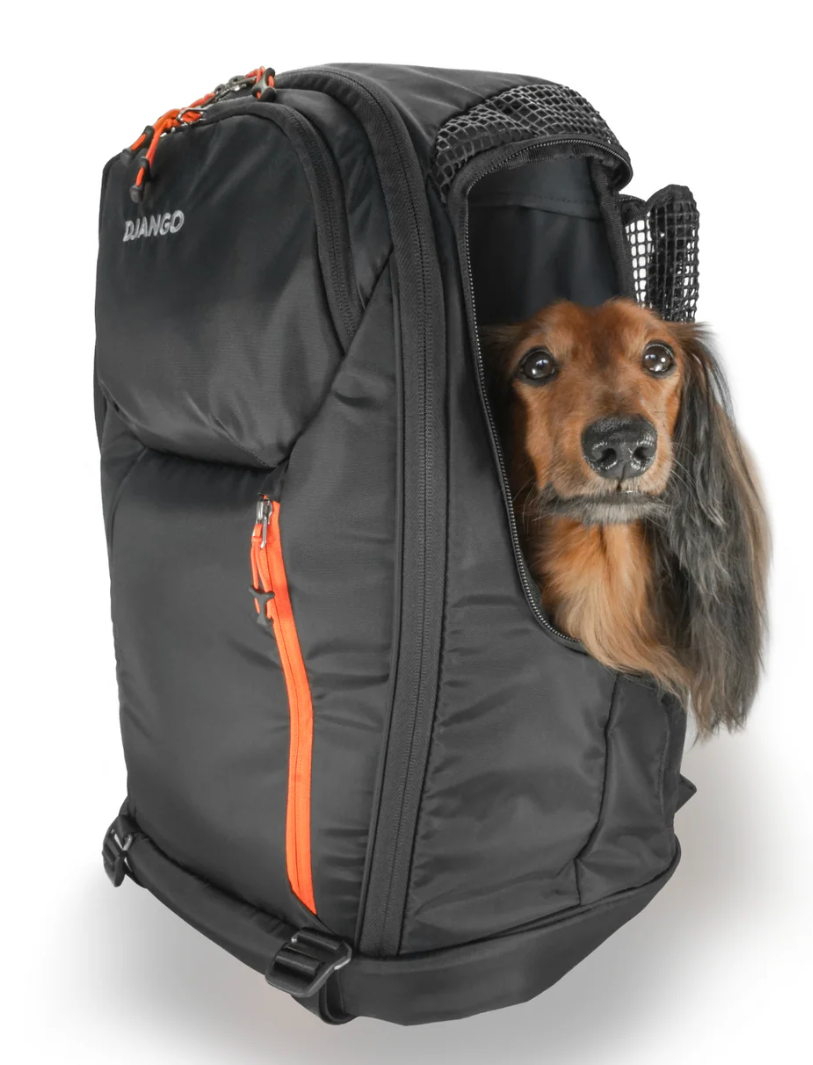
This is the one I tend to reach for when I want something a little more casual, and maybe not quite as long of a hike. This would be great for a day walking around a lot too, even if just in the city. I like my dog being able to stand up and look around!
That said, it’s not quite as structured as a true hiking pack, so she can move around more inside—which is something to keep in mind on uneven trails. I’ve also noticed a bit of extra space above her since she’s on the shorter side.
Fit for My Dog
I think she likes both the Ruffwear and Django options for different reasons. She’s more snug in Ruffwear, but sometimes being able to move around a bit like in the Django option is nice too!
Fit for Me
Fits really well for me- I like the way the waist support hits at my actual waist!
🐶 Dog Sling Carrier
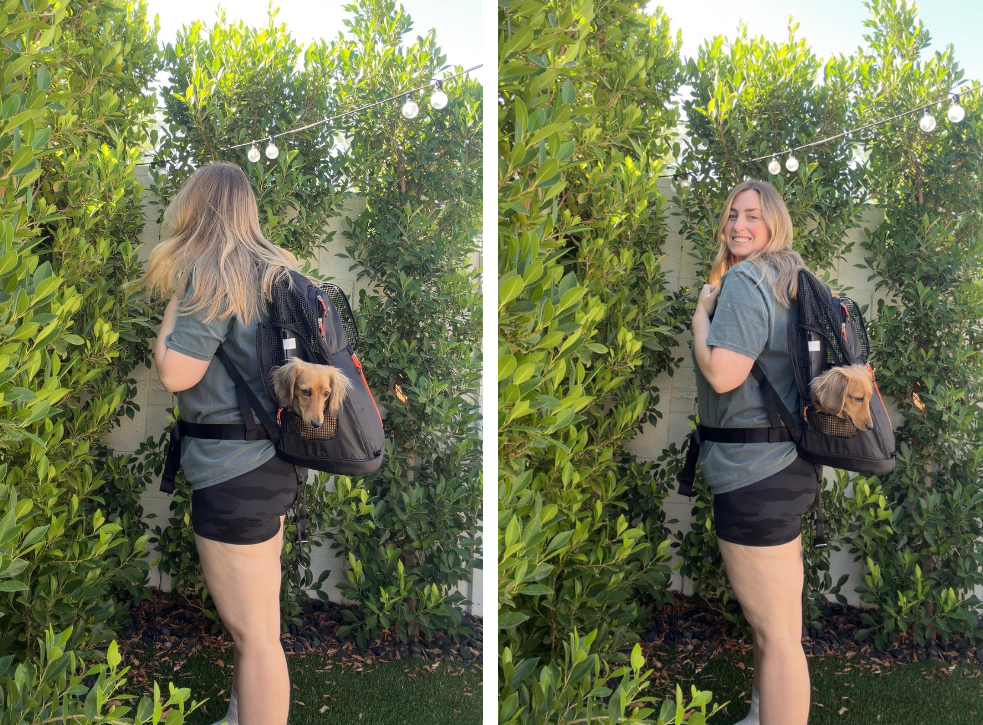
If you’re doing shorter hikes or just want a quick way to carry your dog when they get tired, a sling carrier is the simplest option. It’s lightweight, easy to throw on, and works well as a backup—but it’s definitely not built for long distances. Check it out here.
Pros:
- ✔️ Lightweight and easy to pack
- ✔️ Quick to put on and take off
- ✔️ Great as a backup option on hikes
- ✔️ Comfortable for short carries
Cons:
- ❌ Weight sits on one shoulder (can get uncomfortable fast)
- ❌ Not supportive for longer hikes
- ❌ Less secure than backpack-style carriers
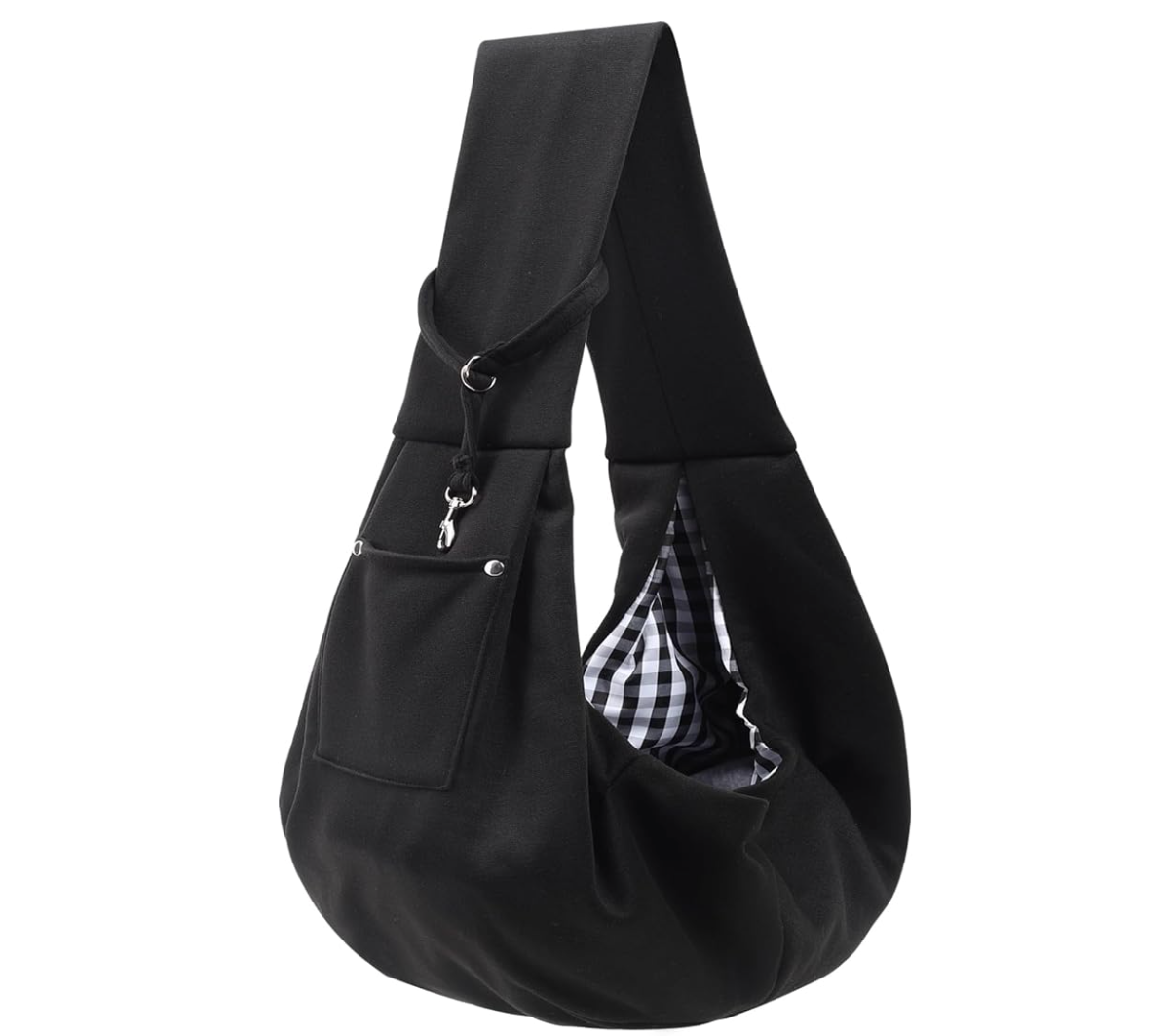
My Experience
This is what I bring when I’m not planning to carry my dog the whole time, but want an option just in case. It’s super easy to throw on and works well for short stretches, especially on easier trails.
But once you start carrying your dog for longer, you really feel it in your shoulder. It’s just not designed for distance, so I see it more as a backup rather than something I’d rely on for a full hike.
Fit for My Dog
She seems comfy in it, but sometimes it rubs up against her neck!
Fit for Me
It’s comfortable, but just not for long periods of time since all the weight is on one shoulder.
🧭 Which Dog Carrier Should You Choose?
If you’re trying to decide between these, it really comes down to how you hike and how much support your dog needs.
- 🏆 For longer hikes or more rugged trails → go with the Ruffwear Hitch Hiker Backpack
This is the most supportive and comfortable option for real hiking. If you know you’ll be carrying your dog for longer stretches or tackling elevation, this is the one that actually feels built for it. - 🎒 For small dogs + everyday use → go with the Django Dog Carrier
This is a great middle-ground option if you want something more compact and versatile. It works well for shorter hikes, travel, and everyday adventures. - 🐶 For short hikes or backup support → go with a sling carrier
This is the simplest option and works well for quick carries, but it’s not something I’d rely on for longer distances.
If I had to choose just one for hiking, I’d go with Ruffwear for the support. But realistically, I use different carriers depending on the activity—Django for more casual outings and a sling as a backup when I don’t expect to carry my dog much.
Summary of Hiking Carrier for Dogs: A Review